Safety First: What Level 3 Means Here
Level 3 is one step below the State Department's Do Not Travel category. It tells Americans to think hard about whether a trip is worth it. In Nicaragua the main concern is the government itself rather than gangs or terrorism.
The current advisory says laws are enforced unpredictably. People have been detained over social media posts, photographs of police or protests and contact with groups the government dislikes. Dual citizens face extra risk because Nicaragua no longer recognizes dual nationality and has revoked citizenship from some people.
For a honeymoon couple, the practical meaning is this: do not post political opinions, do not photograph police, military sites or government buildings and do not fly a drone. Carry a copy of your passport. Buy travel insurance that covers medical evacuation, since serious cases may need a flight to Costa Rica or the US. Street crime such as bag snatching and robbery also happens, especially in Managua after dark. Dengue and other mosquito-borne illnesses circulate, so pack repellent. If you're pregnant or hoping to be soon, check CDC travel health notices for Nicaragua.
What Nicaragua Is Known For
Nicaragua is the largest country in Central America and one of the most volcanic. A chain of cones runs parallel to the Pacific. Several still smoke. At Masaya Volcano National Park visitors have at times been able to look into the Santiago crater and see glowing lava, though access hours change.
Granada, founded in 1524, is among the oldest Spanish cities on the American mainland. Its yellow cathedral and horse carts face Lake Nicaragua, where hundreds of tiny islets called Las Isletas hold fishing families, birds and a few small lodges. León, to the north, is a university city with Central America's largest cathedral, a UNESCO site whose white roof you can walk on.
Laguna de Apoyo is a warm, clear crater lake a short drive from Granada. On the Caribbean side, Big Corn and Little Corn islands have reefs, coconut palms and a Creole culture closer to Jamaica than to Managua. Flor de Caña rum and shade-grown coffee from the northern highlands are the best-known exports.
Best Time to Visit
The Pacific side has a clear dry season from about December through April. Skies are reliably blue, dirt roads are passable and the surf coast gets steady offshore winds. March and April are the hottest months, with Granada and León often in the mid 90s Fahrenheit.
Semana Santa, the week before Easter, is the busiest stretch of the year. Nicaraguan families fill the beaches and hotel prices jump, so book early or avoid it.
The rainy season runs roughly May through November. Mornings are often clear with heavy afternoon storms. The countryside turns deep green. September and October are the wettest and hurricane season peaks then, which matters most on the Caribbean coast. The Corn Islands stay wetter year round, with the driest spell usually from February to April.
December brings the Purísima celebrations, when León and Granada fill with music, fireworks and the shouted call and response of La Gritería on December 7.
Where to Go
Couples who decide to go usually combine one colonial town, one lake or volcano stop and one beach.
- San Juan del Sur and the southern Pacific coast: a fishing bay turned surf town, with quieter beaches like Playa Maddox and Playa Marsella to the north and Playa Hermosa to the south. Our San Juan del Sur guide covers it in detail.
- Granada and Las Isletas: colonial streets, lake boat trips and the cloud forest of Mombacho Volcano.
- Laguna de Apoyo: a crater lake with a handful of small lodges and kayaks, about 30 minutes from Granada.
- Ometepe Island: two volcanoes, the Ojo de Agua spring pool and cheap motorbike loops, reached by ferry from San Jorge.
- León: cathedral rooftops, revolutionary murals and boarding down the black slope of Cerro Negro.
- Little Corn Island: no cars, small reef dive shops and very simple luxury, reached by a domestic flight and a boat ride.
Sample 10-Day Itinerary
Days 1–3: Fly into Managua and transfer straight to Granada, about an hour away. Walk the cathedral square at dusk, take a morning boat through Las Isletas and spend an afternoon hiking the trails on Mombacho.
Days 4–5: Move 30 minutes to Laguna de Apoyo. Swim off a lodge dock, kayak across the crater and do nothing in particular. If Masaya Volcano is open for night visits, it is a short drive.
Days 6–7: Drive to San Jorge and take the ferry to Ometepe. Rent a scooter or hire a driver, swim at Ojo de Agua and watch the sun set behind Concepción.
Days 8–10: Cross back to the mainland and head to San Juan del Sur, about 40 minutes from the ferry. Book a beach lodge north or south of town, take a sunset catamaran and fly home from Managua, roughly two and a half hours away. Avoid driving between regions after dark.
Budget and Costs
Nicaragua is one of the cheaper countries in Central America, which is a large part of its appeal. All figures below are approximate and change with season and exchange rates.
Comfortable boutique hotels in Granada or beach lodges near San Juan del Sur typically run about $100 to $250 a night for two. A handful of high-end resorts on the Pacific coast charge several hundred dollars or more. Simple guesthouses with private rooms can be found for well under $60.
A good restaurant dinner for two with drinks usually costs $30 to $60. A plate of gallo pinto, meat and plantains at a local comedor costs a few dollars. A private driver between Granada and San Juan del Sur is commonly in the range of $60 to $100.
Budget extra for travel insurance with evacuation cover and carry some US dollars in small bills for tips and drivers.
Getting There and Around
Managua's Augusto C. Sandino International Airport (MGA) is the main gateway. American Airlines and Avianca fly nonstop from Miami and United flies from Houston. Many travelers also connect through San Salvador on Avianca or Panama City on Copa.
Within the country, most couples hire private drivers through their hotel. It costs more than the colorful converted school buses but is faster and safer. Self-drive is possible on the main Pacific highways, though potholes, animals on the road and police checkpoints make it tiring. Do not drive at night.
The ferry from San Jorge to Ometepe takes about an hour. For the Corn Islands, La Costeña flies small planes from Managua to Big Corn, followed by a panga boat ride of roughly 30 minutes to Little Corn that can be rough and wet.
Culture and Etiquette
Nicaraguans are warm and informal once you get past the first greeting. Say buenos días or buenas tardes when you walk into a shop or climb into a taxi. A handshake is normal when meeting someone. Spanish goes a long way, since English is limited outside hotels on the Pacific side.
Politics is the one topic to avoid entirely. Even casual comments about the government, the 2018 protests or the president can cause trouble for you and for the people you talk to. Do not wear clothing with political slogans or the blue and white flag in ways that could look like protest.
Dress is relaxed in beach towns but more modest in churches and small villages, for both of you. Women may hear catcalls, which are best ignored. Tipping around 10 percent is common in restaurants and is often added to the bill as a service charge. Try nacatamales on a weekend morning, vigorón in Granada's park and a Toña beer at sunset.
Nearby Alternatives With Lower Risk
If the Level 3 warning gives you pause, the region has strong substitutes.
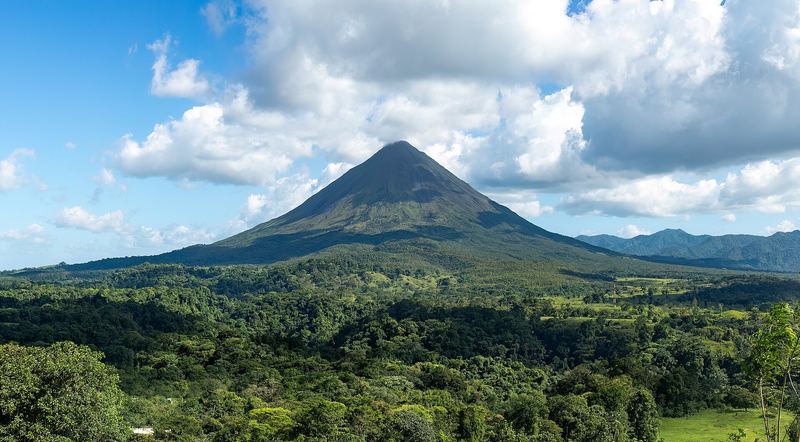
Costa Rica's Guanacaste coast sits just across the southern border and has the same dry season, surf breaks and sunsets, with far more honeymoon resorts and better hospitals. Arenal adds a volcano, hot springs and cloud forest.
El Salvador has carried the State Department's lowest rating, Level 1, in recent advisories. Its Pacific surf coast and the coffee towns of the Ruta de las Flores are an easy, inexpensive alternative with direct flights from many US cities.
Belize offers reef islands like Ambergris Caye and jungle lodges in the Cayo District with English as the official language. Panama has the islands of Bocas del Toro and the San Blas archipelago. Costa Rica, Belize and Panama were rated Level 2 in the most recent advisories we reviewed.
Quick tips
- Clear your phone and social media of political posts before arrival; officials may search devices.
- Leave the drone at home: drones are illegal and can be confiscated at the airport.
- Enroll in the State Department's STEP program so the embassy in Managua knows you are there.