Why Guatemala for a Honeymoon
Guatemala suits couples who would rather wander a market than lie by a pool for ten days. Its draw is texture: women in village-specific huipiles selling avocados in Sololá, the smell of roasting coffee drifting through Antigua's side streets, the tilt of a wooden lancha crossing Atitlán before the afternoon wind picks up. Distances are short on a map, so three very different landscapes fit into a week and a half.
It is also good value. Converted convents and lakeside lodges that would cost a fortune in Costa Rica run well below that here. A long dinner for two with wine rarely stings.
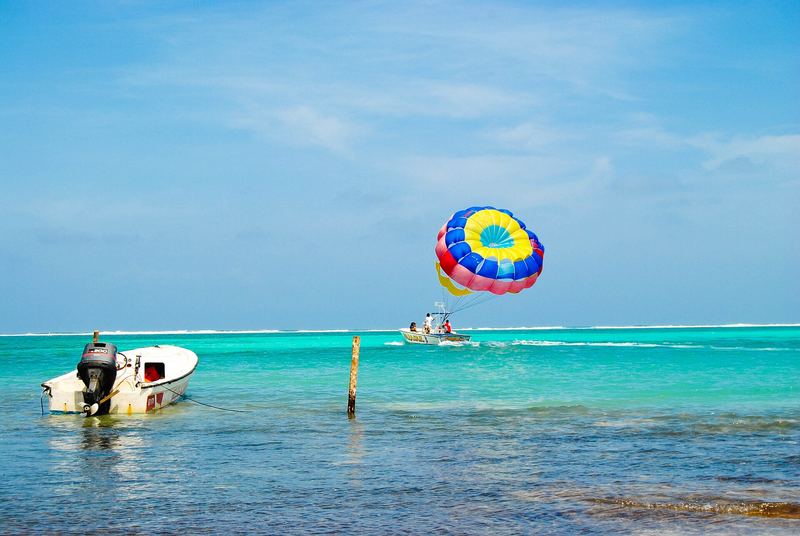
What Guatemala lacks is a classic honeymoon beach. The Pacific coast is black sand with heavy surf. The Caribbean strip around Lívingston is more river adventure than resort. Many couples solve that by finishing on Ambergris Caye in Belize, reached overland from Flores via the Cayo District and a short domestic flight. If your picture of a honeymoon is mostly sand and swim-up bars, the Riviera Maya or Guanacaste in Costa Rica will make you happier.
Safety First: What Level 3 Means
Level 3 is the State Department's second-highest tier. It signals serious risk rather than certain harm. It applies to the whole country even though conditions vary a lot by place. The Level 4 zones (San Marcos and Huehuetenango departments, plus Zone 18 and Villa Nueva in the Guatemala City area) hold nothing a honeymooner needs. In January 2026 coordinated gang attacks on police in Guatemala City led the US Embassy to tell Americans to keep a low profile, a reminder that things can change quickly.
The classic route of Antigua, Lake Atitlán and Flores for Tikal is well trodden, with tourist police in Antigua and a mature private-driver industry. The usual problems are armed robbery on roads and trails, pickpocketing, card skimming and theft from vehicles. Couples who do well here book transfers through their hotel, fly rather than drive to Flores, keep phones out of sight on the street and stay off the roads at night. Enroll in STEP, buy insurance with medical evacuation cover and read the full advisory before paying deposits.
Best Time to Visit
Guatemala has two seasons rather than four. The dry season runs from about November to April, with clear mornings, cool highland nights and the best volcano views. December through March is the sweet spot. Semana Santa, the week before Easter, is Antigua's most famous time, when residents lay sawdust and flower carpets in the streets for religious processions. It is moving to see, but rooms book out months ahead and prices jump.
The rainy season from roughly May to October brings green hills, fewer visitors and afternoon downpours that can last for hours. Mornings are often fine, so it works if you plan activities early. September and October are usually the wettest months and the most likely to bring landslides on mountain roads. In the Petén lowlands around Tikal, April and May are hot and sticky before the rains break.
Pack layers whatever the month. Antigua and Atitlán sit around 5,000 feet, so evenings can drop into the 50s Fahrenheit, while Tikal stays humid and often tops 90 degrees.
Where to Go
Most honeymoons here follow the same three-stop triangle for good reason.
- Antigua Guatemala: the colonial former capital, with ruined churches, rooftop terraces facing Volcán de Agua and the country's best restaurants. Start here since it is about an hour from the airport.
- Lake Atitlán: a deep volcanic lake circled by Maya villages. Stay at a lodge on a quieter stretch of shore and get around by boat.
- Tikal: the great Maya city in the Petén rainforest, visited from the island town of Flores or from the simple lodges at the park entrance.
With extra days, Semuc Champey's turquoise limestone pools are lovely but hours from anywhere on rough roads. Quetzaltenango, known as Xela, is a working highland city with hot springs nearby. Río Dulce and Lívingston on the Caribbean side offer jungle river boat rides and Garífuna culture. Skip the far western departments near Mexico, which carry the Level 4 rating.
Closer Alternatives Worth Weighing
If the advisory gives you pause, the region has easier options with a similar feel. Belize is the most natural swap. The Cayo District offers Maya ruins such as Xunantunich and Caracol plus jungle lodges. Ambergris Caye covers the beach and reef half of the trip, all in an English-speaking country with a lower advisory level.
Costa Rica trades Maya culture for cloud forest and volcano hot springs around Arenal and dry-season beaches in Guanacaste, with a well-oiled tourism setup. Mexico's Yucatán gives you Maya sites like Chichén Itzá and Cobá within reach of Riviera Maya and Tulum hotels.
Panama, farther south, pairs a cosmopolitan capital with Caribbean islands and coffee highlands. None of these replaces Atitlán exactly, but each delivers a relaxed honeymoon with less planning around security.
Sample 10-Day Itinerary
Days 1 to 3, Antigua. Land at GUA and transfer about an hour to Antigua. Spend the first afternoon walking under the Santa Catalina Arch and through the ruins of Las Capuchinas. Book a morning coffee farm tour on day two and a cooking class or a long dinner that night. Day three is for a guided Pacaya hike or a slow day at your hotel.
Days 4 to 6, Lake Atitlán. A private transfer takes roughly three hours. Settle into a lodge, take a lancha to San Juan La Laguna for its weaving and painting cooperatives and do the dawn climb to the Indian Nose with a local guide.
Days 7 to 9, Flores and Tikal. Drive back toward Guatemala City and fly about an hour to Flores. Spend a full day at Tikal starting at opening time, then a gentler day for Yaxhá at sunset or a swim in Lake Petén Itzá.
Day 10. Fly back to Guatemala City for your connection home, or cross into Belize for a few beach days.
Budget and Costs
These are approximate ranges for two people and they shift with the season. Boutique hotels in Antigua and lakeside lodges at Atitlán commonly run about $120 to $350 a night, with the top converted convents and design hotels above that. Comfortable midrange guesthouses can be had for under $100. A good dinner for two with drinks is roughly $40 to $90 in Antigua and less in the villages.
Private drivers are the main extra expense and they are worth it. Shared tourist shuttles cost a fraction but stop at several hotels and are a known target for theft. Domestic flights to Flores, Tikal entry with a licensed guide and boat charters each add up, so budget for them rather than trimming them.
A comfortable ten-day honeymoon at the mid to upper end, excluding international flights, might land somewhere around $3,500 to $7,000 for two. Carry quetzales in small notes for boats, tuk-tuks and markets. Keep a card for hotels and restaurants.
Getting There and Around
La Aurora International Airport (GUA) in Guatemala City has nonstop flights from Miami, Houston, Dallas/Fort Worth, Atlanta, Los Angeles, Newark, Chicago and Fort Lauderdale, with seasonal routes from cities such as Orlando and Washington Dulles. Expect about two and a half hours in the air from Miami or Houston and around five from Los Angeles.
Arrange your first transfer before you land. Antigua is roughly an hour away, longer at rush hour. Between Antigua and Atitlán, most couples use a private driver arranged by their hotel. Avoid the brightly painted public chicken buses, which are cheap and photogenic but have a record of crashes and robberies.
For Tikal, take the domestic flight from Guatemala City to Flores (FRS) rather than the long drive north. At Atitlán, public lanchas link the villages through the day and private boats can be hired at the docks. Finish crossings by early afternoon, when the Xocomil wind can make the lake rough.
Culture and Etiquette
Roughly four in ten Guatemalans are Maya, speaking languages such as K'iche', Kaqchikel and Tz'utujil. Traditional dress is everyday wear rather than costume. Ask before photographing people, especially children. Accept a no without fuss. Some will ask for a small tip in exchange.
Spanish goes a long way. A simple buenos días when you walk into a shop or a family-run restaurant is expected. People warm to attempts at the language even when English is spoken. Dress modestly outside resort areas and cover shoulders in churches. Women may hear catcalls in cities; ignoring them is the norm.
Bargaining is normal at markets like Chichicastenango, but keep it friendly; the difference is often less than a dollar to you and meaningful to the seller. Restaurants sometimes add a 10% service charge, so check the bill before tipping again. Drink bottled or filtered water and go easy on raw salads for the first few days. Mosquitoes carry dengue and Zika in the lowlands, including around Tikal; if you're pregnant or hoping to be soon, check CDC travel health notices for Guatemala.
Quick tips
- Have your hotel book private drivers for every road transfer and never travel between towns after dark.
- Hike Pacaya or Acatenango only with a licensed guide; independent volcano hikers have been robbed.
- Carry small quetzal notes for lanchas and tuk-tuks and use ATMs inside banks or malls.