



Why Panama for a Honeymoon
Panama mixes city polish with real wildness. Casco Viejo, the old quarter of Panama City, has rooftop bars, cocktail lounges and boutique hotels in restored colonial buildings. Half an hour away, the rainforest along the canal holds sloths, toucans and howler monkeys. Then come the islands: the Guna Yala archipelago on the Caribbean, the Bocas del Toro chain near Costa Rica and the Pearl Islands on the Pacific side.
The practical side helps too. Flights are short, the dollar is the currency and the country sits south of the main hurricane belt. Prices are lower than Costa Rica in many areas. The tourism scene is less polished, which some couples love.
The trade-off is that infrastructure outside the capital can be basic. Roads, ferries and small airstrips take patience. Couples wanting an all-inclusive with swim-up bars will find few here and should look at the Riviera Maya instead.
Best Time to Visit
Panama has a dry season and a rainy season rather than summer and winter. On the Pacific side, including Panama City and Boquete, the dry season runs from about mid-December to April. Skies are bluer, roads are easier and this is when most visitors come. Boquete is breezy and misty in those months, with light drizzle locals call bajareque.
From May to November, rain arrives most afternoons, often after sunny mornings. It rarely ruins a trip and prices dip. October and November tend to be the wettest.
The Caribbean side plays by different rules. Bocas del Toro gets rain in every month, with drier spells usually from late August to October and again from about February to March. Guna Yala is calmest and driest from roughly January to April, though trade winds can make boat rides choppy. Temperatures on the coasts stay in the high 80s Fahrenheit all year.
Where to Go
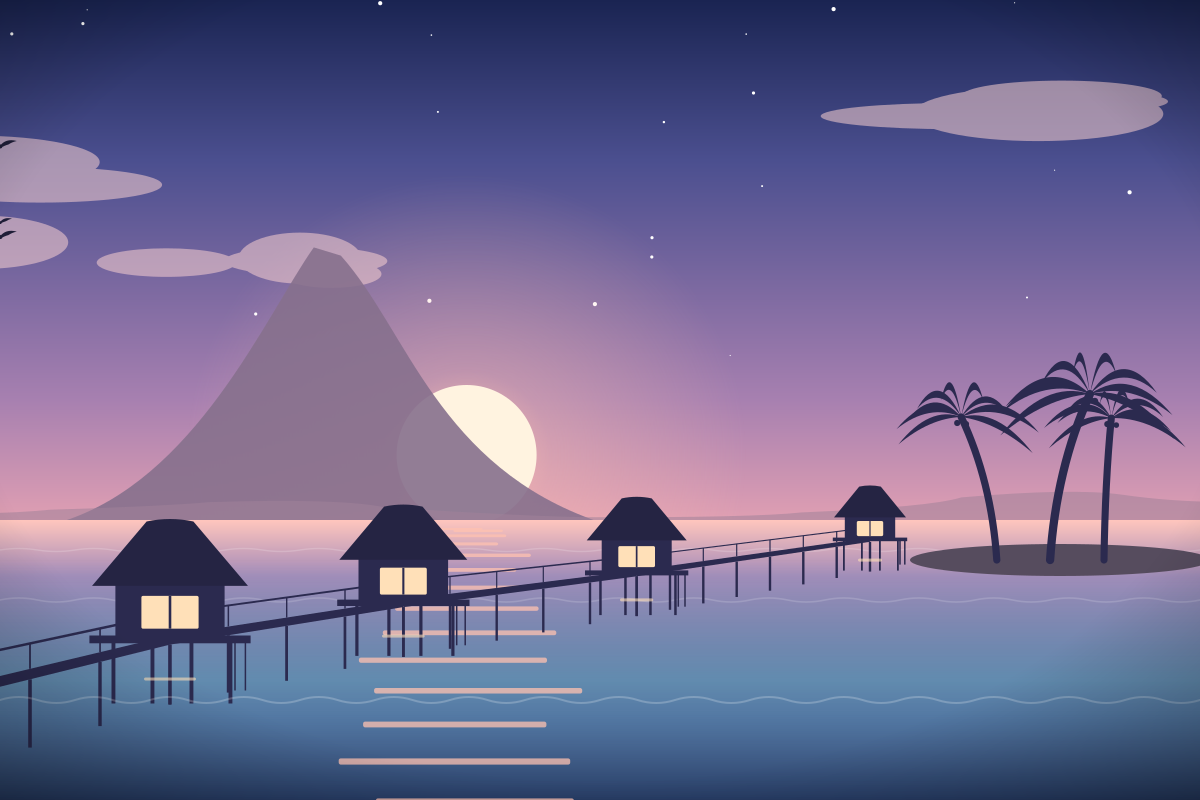
- Bocas del Toro: a Caribbean archipelago near Costa Rica with overwater bungalows, beaches, mangroves and laid-back Bocas Town. Best for couples who want a tropical island base with some nightlife.
- San Blas Islands (Guna Yala): hundreds of tiny islands run by the Guna people, with simple huts on the sand, clear water and almost nothing to do but swim and eat fresh fish.
- Boquete: a mountain town in coffee country, with cloud forest trails, hot springs and the climb up Volcán Barú.
Add two or three days in Panama City for Casco Viejo and the canal. With more time, the Pearl Islands are a short flight or ferry from the capital, the Gulf of Chiriquí has remote island resorts and Coiba National Park offers some of the best diving in the eastern Pacific. El Valle de Antón, a crater town two hours west of the capital, makes an easy mountain escape.
Sample 10-Day Itinerary
Days 1–2, Panama City. Settle into a Casco Viejo hotel. Spend the first evening on a rooftop as the skyline lights up across the bay. On day two, watch ships rise through the Miraflores Locks in the morning and take a boat on Gatún Lake in the afternoon to see monkeys on the islands.
Days 3–4, Guna Yala. Leave before dawn in a 4x4 for the port at Cartí, then take a boat to your island. Two nights is ideal. Swim, snorkel and eat lobster or fish caught that day.
Days 5–7, Boquete. Return to the city, fly to David and drive up to Boquete. Tour a coffee farm, hike a cloud forest trail and soak in the Caldera hot springs.
Days 8–10, Bocas del Toro. Take a shuttle or fly to Isla Colón. End with a few nights in an overwater bungalow, island hopping by water taxi and a final dinner in Bocas Town.
Budget and Costs
These figures are approximate and vary by season. Boutique hotels in Casco Viejo and stylish island lodges in Bocas del Toro often run about $150–400 a night, with a handful of luxury resorts well above that. Midrange guesthouses can be found for under $100, especially in Boquete.
Guna Yala is its own category. Island huts are basic and usually sold as packages that include meals, the boat ride and island tours. Add the 4x4 transfer from Panama City and the modest Guna community fees, both paid in cash.
Domestic flights between Panama City, David and Bocas are often under $200 one way per person. A good dinner for two with drinks costs roughly $50–100 in Panama City and less on the islands. A comfortable ten-day honeymoon excluding international flights might land somewhere around $4,000–8,000 for two, depending on how much you splurge on hotels.
Getting There and Around
Tocumen International Airport (PTY) is about 30 to 45 minutes from Casco Viejo depending on traffic. Copa flies nonstop from roughly twenty US cities, United flies from Newark and Houston, American from Miami and Delta from Atlanta. Flight times range from about three hours from Florida to six or seven from California.
Domestic flights leave from Albrook airport (PAC), a separate airport inside the city. Air Panama connects it with Bocas del Toro, David for Boquete and other towns. Flights are short but luggage limits can be tight.
For Guna Yala, a 4x4 transfer from the city to the Cartí port takes about two and a half to three hours on a winding road, then a boat continues to your island. Most island lodges arrange both. Between Boquete and Bocas del Toro, shared shuttles take about four hours. In Panama City, use registered taxis or ride apps rather than hailing cabs at night.
Culture and Etiquette
Panamanians tend to be relaxed and polite but appreciate a proper greeting. Say buenos días or buenas tardes when you walk into a shop or taxi. Dress more formally than you might expect in the city. Shorts are for the beach. Some banks and government offices turn away people in flip-flops.
In Guna Yala, you are a guest in an autonomous indigenous territory with its own laws. Pay island fees without fuss, ask before taking photos of people and expect to pay for portraits. Buy molas, the layered appliqué panels Guna women sew, directly from the makers.
A tip of about 10% is normal in restaurants if service is not already included. Check your bill. Small bills are essential because many places refuse $50 and $100 notes.
In rural areas and on the islands, toilet paper goes in the bin, not the bowl, since plumbing is limited.
Panama is fairly conservative outside the capital. Dengue circulates in lowland and island areas, so pack repellent. If you're pregnant or hoping to be soon, check CDC travel health notices for Panama.
Quick tips
- Carry small bills; many shops and taxis refuse $50 and $100 notes because of counterfeits.
- Pack cash for Guna Yala, where island fees, boat rides and crafts are paid in dollars with no ATMs.
- Drink bottled water in Bocas del Toro, even though tap water is safe in Panama City.