Land or Sea
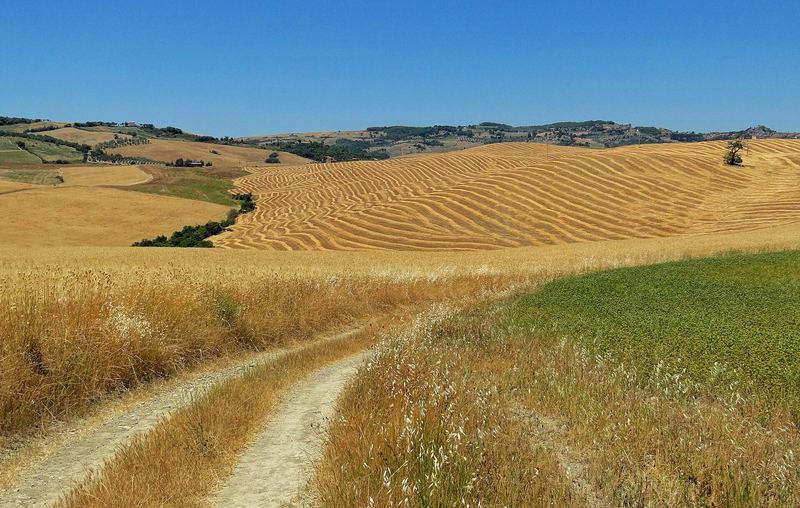
Tuscany's romance is quiet. A road unspools between cypress trees, a stone farmhouse glows at sunset and a bottle of Brunello opens slowly over dinner. The Val d'Orcia, a UNESCO-listed landscape of rolling hills and lone cypress groves, is the postcard view. Chianti, between Florence and Siena, is greener and closer to the city.
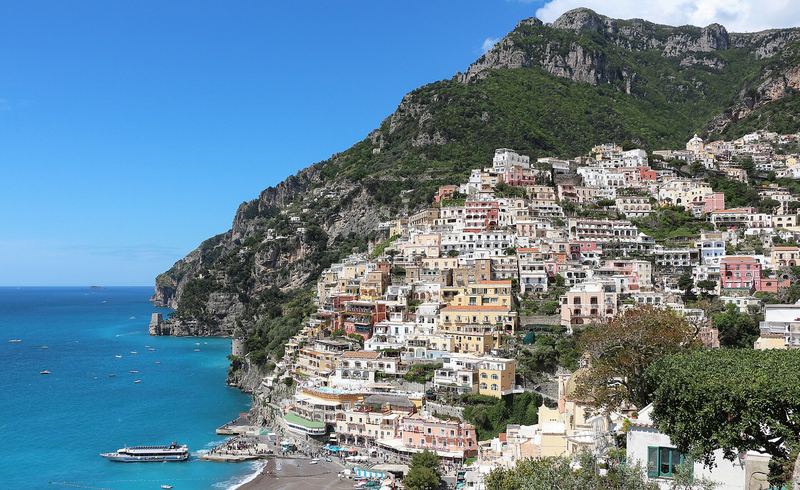
The Amalfi Coast is dramatic in every direction. Towns cling to the cliffs, lemon terraces fall to the water and the coast road keeps bending to reveal another village. The sea is the constant. You swim in it, you cross it by boat and you look at it from nearly every table.
Couples who want variety on land, with art, wine and villages, tend to choose Tuscany. Couples who want the Mediterranean as the backdrop to everything tend to choose the coast. If one of you is a beach person and the other is not, the coast's pebbly beaches and rocky platforms are a fair compromise.
Getting There and Getting Around
For Tuscany, many couples fly into Rome and take the high-speed train to Florence, about an hour and a half. Florence (FLR) and Pisa (PSA) work with a connection through Europe. Most countryside hotels are an hour or so from either.
For the Amalfi Coast, fly into Naples International (NAP), usually through Rome or another hub, or take the high-speed train from Rome to Naples or Salerno. A private car from Naples to Positano or Amalfi takes about an hour and a half, depending on traffic.
The big difference is on the ground. Tuscany needs a car or a driver, because hill towns, wineries and country hotels are best reached by road. Watch for camera-enforced ZTL zones in historic centers. The Amalfi Coast is the reverse: driving yourselves is more stress than romance, with narrow roads and limits on non-resident cars on busy days. Use private drivers, ferries and water taxis instead.
Best Months for Each
May, June and September are excellent for both. Days are warm, evenings are made for dining outside and everything is open.
Tuscany's season is longer. April is fresh and green with fewer tourists. September and October bring the grape harvest and golden light, while October and November mark the start of the white truffle season around San Miniato. July and August are hot and Florence gets crowded, though a country hotel with a pool stays a pleasure. Some country hotels close for part of winter.
The Amalfi Coast is more seasonal. The sea is swimmable from late May. Early October can be glorious. July and August bring the most intense heat, the busiest roads and the highest rates. From roughly November to March most of the famous hotels close and ferries cut back.
For a spring wedding either works. For an autumn honeymoon after mid-October, Tuscany is the safer choice.
Villas in the Vines or Rooms on the Cliffs
In Tuscany, where you sleep shapes the trip. Most couples skip the city hotel and choose a restored villa, wine estate or family-run agriturismo in Chianti, the Val d'Orcia or the hills around Siena. Our pick is Borgo Santo Pietro, a medieval villa on a roughly 300-acre organic farm near Chiusdino, with 22 rooms and suites, a spa and the Michelin-starred restaurant Saporium.
On the Amalfi Coast, the hotel is often the view. Le Sirenuse is the family-run classic in Positano. Hotel Santa Caterina near Amalfi has cliff elevators to a private beach club. Caruso, A Belmond Hotel crowns Ravello with its infinity pool. Monastero Santa Rosa in Conca dei Marini is a 20-room former convent for couples who want privacy.
A common Tuscany split is two or three nights in Florence, then four in the country. On the coast, many couples pair Positano for buzz with Ravello for calm. Either way, two bases beat one.
Brunello and Bistecca or Lemons and Seafood
Tuscan cooking is rooted in simple, excellent ingredients. Order bistecca alla fiorentina grilled over wood, hand-rolled pici, pappardelle with wild boar ragu and ribollita, plus Pienza pecorino and seasonal truffles. Wine is the great love: Chianti Classico, Brunello di Montalcino and Vino Nobile di Montepulciano, with Vernaccia di San Gimignano for something white. Dessert is cantucci dipped in Vin Santo.
Amalfi cooking is built on the sea and the local sfusato lemon. Expect scialatielli with seafood, spaghetti alle vongole, grilled fish and the delizia al limone, then limoncello from the terraced groves. Look for colatura di alici in Cetara and the sfogliatella Santa Rosa from Conca dei Marini. Campanian whites such as Falanghina and Fiano suit almost every meal.
Tuscany is the deeper wine trip. The coast is the better seafood trip. Both do long lunches very well, so plan your afternoons around them.
What It Costs
The Amalfi Coast's famous hotels are among the most expensive in Italy in summer and rates peak in July and August. You can bring the average down with a couple of splurge nights at a big name and the rest at a smaller guesthouse. Budget extra for a private boat day, beach club loungers and private drivers.
Tuscany has a wider spread. Estate hotels like Borgo Santo Pietro sit firmly in luxury territory, while family-run agriturismi and rented farmhouses can be moderate. Add a rental car or driver, plus tastings and the occasional starred dinner. Treat all prices as approximate ranges that change with the season.
In general, Tuscany gives you more room and a pool for the money. The coast charges a premium for the view and the short season. If budget is the deciding factor, Tuscany stretches further, especially in shoulder months.
Doing Both in One Trip
Tuscany and the Amalfi Coast are one of Italy's best honeymoon pairings, because they balance each other. Florence to Naples takes about three hours by high-speed train, often with a stop in Rome, which makes a simple north-to-south route.
A ten-night plan might look like this: two nights in Florence, three or four at a country villa in Chianti or the Val d'Orcia, then four on the Amalfi Coast before flying home from Naples or returning to Rome. Return the rental car before the train south, since you will not want it on the coast. With two weeks, add Rome between them or finish on Capri.
If you have only a week, pick one. Tuscany suits a first trip to Italy that mixes art and countryside. The coast suits couples who want a beach-and-boat honeymoon with Italian style.