The Water, Side by Side
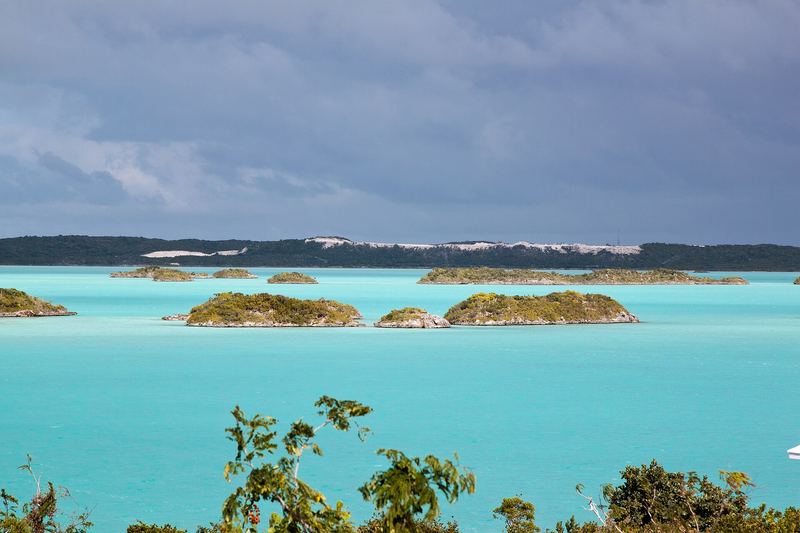
Call this one a draw on color. Both island groups sit on limestone banks so shallow that the sea glows electric blue over white sand. Snorkeling visibility is often excellent in both.
The difference is in how the beaches are arranged. Turks & Caicos concentrates its glory in Grace Bay, about three miles of powdery sand on Providenciales with calm, reef-protected water ideal for swimming and paddleboarding. Bight Reef is a short swim from shore. Beyond Provo, the islands turn quiet, with salt ponds, sandbars and cays such as Iguana Island.
The Bahamas spreads its beaches across hundreds of islands, which means more variety. Exuma is sandbars that appear at low tide, Eleuthera is pink Atlantic beaches with almost no one on them and Harbour Island's Pink Sands Beach runs about three miles. Because beaches face every direction, you can usually find a calm side on a windy day. If you want one perfect strip, pick Turks & Caicos. If you want a new beach every day, pick the Bahamas.
Flights and Getting Around
Both are among the shortest honeymoon flights from the US. Providenciales (PLS) has nonstops from many US cities, about 90 minutes from Miami, with Grace Bay is roughly 15 minutes from the terminal. Most couples rent a car to reach quieter spots like Chalk Sound and Taylor Bay. Driving is on the left. Parrot Cay is a boat ride of about 35 minutes from Provo.
Nassau (NAS) has nonstops from about a dozen US cities and is roughly an hour from South Florida and three from New York. A bonus: you clear US customs in Nassau before the flight home, so you land as a domestic arrival. The catch is the Out Islands. Exuma, North Eleuthera and Marsh Harbour get some small nonstops from Florida and Atlanta, but most couples connect through Nassau on a 30 to 60 minute hop. Luggage limits on small planes can be strict, so pack soft bags. On the ground you will want a car on Eleuthera or Great Exuma and a golf cart on Harbour Island.
Seasons, Whales and Storms
The calendars are close cousins. In both, mid-December through April is dry, sunny and busy, with peak rates around the holidays and spring break. Turks & Caicos tends to feel warmer in winter, generally in the low to mid 80s Fahrenheit. The Bahamas runs a touch cooler, with highs in the mid 70s to around 80°F and water that can feel brisk in January and February, especially in the northern islands.
Winter brings a bonus in Turks & Caicos: humpback whales move through the Turks Island Passage roughly January through April, best seen from Grand Turk or Salt Cay. In the Bahamas, the sweet spot many couples prefer is late April through early June, when the sea has warmed and rates start falling. May and June are also strong value in Turks & Caicos.
Hurricane season runs June through November in both, with the highest risk from August through October. Some small Out Island resorts in the Bahamas close in September and October, so check dates before you book anything late in the year.
Where You Will Stay
Our Turks & Caicos picks are a matched pair. Grace Bay Club was the first luxury all-suite resort on Grace Bay and has a kid-free Hotel Building with its own infinity pool and the Infiniti restaurant and bar. COMO Parrot Cay is the escape: a private island of about 1,000 acres with beach houses that have heated private pools, a long empty beach and the COMO Shambhala Retreat spa. Many couples do a few nights at each.
The Bahamas has a wider spread. On Harbour Island, The Dunmore and Pink Sands Resort sit on the pink beach, while The Rock House brings boutique style to Dunmore Town. In Exuma, Fowl Cay Resort is an all-inclusive private island at the top end, Staniel Cay Yacht Club puts you next to the pigs and the sharks and Grand Isle Resort & Residences offers villa space on Great Exuma. On Eleuthera, The Cove Eleuthera has two coves of its own. If you want Nassau energy, Paradise Island and Cable Beach have the big resorts.
Cost: Two Expensive Neighbors
Neither is a budget trip, because almost everything on both is imported. In Turks & Caicos, Grace Bay resorts often run from several hundred dollars to well over $1,000 a night for an oceanfront suite in peak season. Private-island stays typically start in four figures before climbing for villas. Dinners cost noticeably more than in a comparable US city. Suites with kitchens help with breakfast and lunch.
In the Bahamas, small inns and midrange hotels often run about $250 to $450 a night in high season, while upscale resorts on Paradise Island, Harbour Island or Exuma commonly sit between $600 and $1,500. The hidden costs are movement: interisland flights often run a few hundred dollars per person round trip and a private boat charter can be $800 to over $1,500 a day. A 10 percent VAT plus resort fees and service charges stack up fast. All of these figures are approximate and swing with season. Overall, the Bahamas has more ways to save. Turks & Caicos has fewer surprises once you are on Grace Bay.
How You Will Spend Your Days
A Turks & Caicos week moves at beach speed. Paddleboard at sunrise, snorkel Bight Reef, charter a boat to Iguana Island and the sandbars and join the weekly Island Fish Fry for local food and ripsaw music. Rent a car one day for Chalk Sound's milky blue water and Taylor Bay. On Parrot Cay the menu shrinks to yoga, mangrove kayaking, spa treatments and private beach dinners, which is the point.
The Bahamas offers more variety and more motion. In Exuma, hire a boat with a captain for Pig Beach, the nurse sharks at Compass Cay and a snorkel through Thunderball Grotto at slack tide. On Eleuthera, drive to the Glass Window Bridge, where the Atlantic and the calm bank sit side by side. Harbour Island is golf carts, sunrise walks on Pink Sands Beach and long dinners in Dunmore Town. Back in Nassau, try conch salad at Arawak Cay or dress up for Graycliff. If one of you loves to explore and the other loves to lie still, the Bahamas gives the explorer more to do.
Safety and the Small Print
Turks & Caicos visits are mostly trouble-free around Grace Bay and the private islands. Crime does occur on Providenciales, mostly away from the resort areas, so lock valuables in the safe, skip empty beaches and quiet roads after dark and use taxis at night. One rule catches Americans: check every bag for stray ammunition before you fly, because carrying even a single round is a serious offense there.
The US State Department rates the Bahamas at Level 2 because of crime concentrated in parts of Nassau and Freeport. The advisory warns visitors away from the Over the Hill neighborhoods south of Shirley Street. The bigger honeymoon risk is often on the water, since commercial boating is loosely regulated. Book boats and jet skis only through your hotel or an established operator. Leave CBD and marijuana products at home, as they are illegal even with a US medical card. In both places, carry repellent. If you're pregnant or hoping to be soon, check CDC travel health notices before you go.