Plateau Green or Desert Red
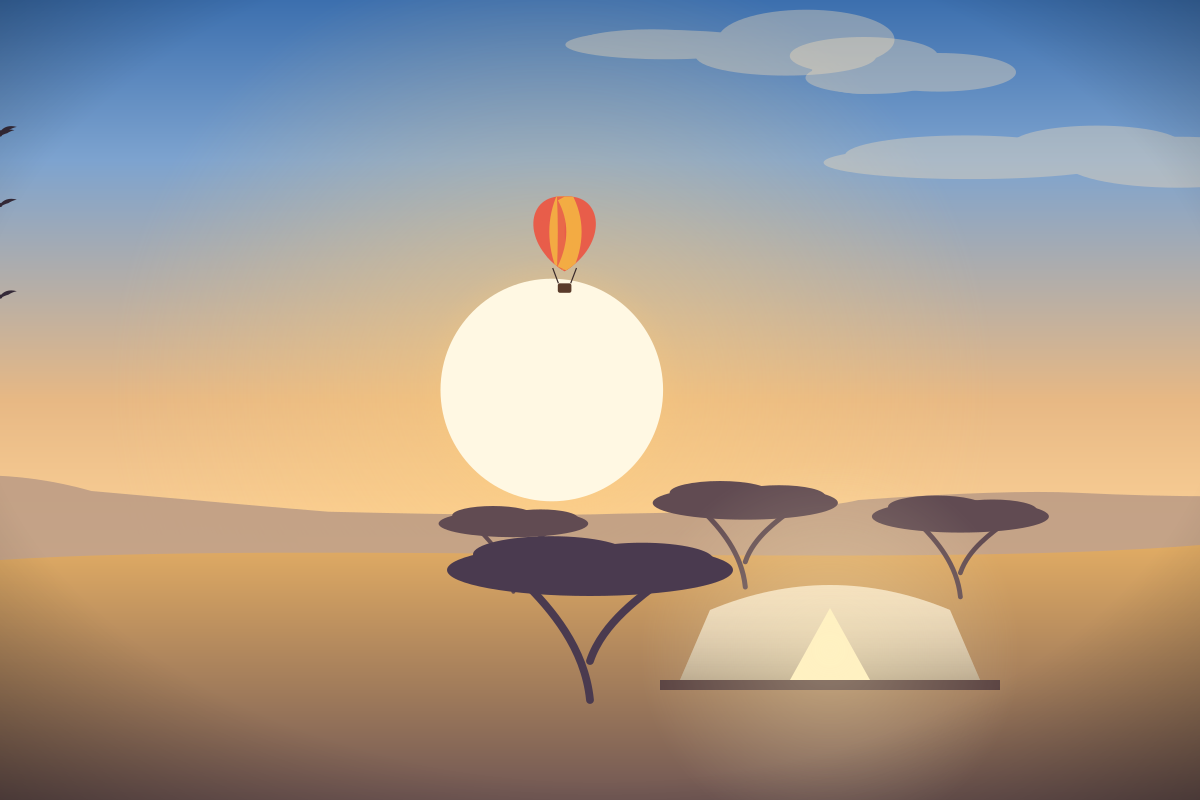
Laikipia is open country on a big scale. Grassland rolls toward rocky kopjes and river forest, Mount Kenya's jagged summit sits on the southeast horizon and the Mathews Range rises to the north. In the dry months it turns tawny; after rain it goes bright green within days. Because it is high, mornings can drop into the 40s Fahrenheit, which makes a campfire and a blanket part of the routine.
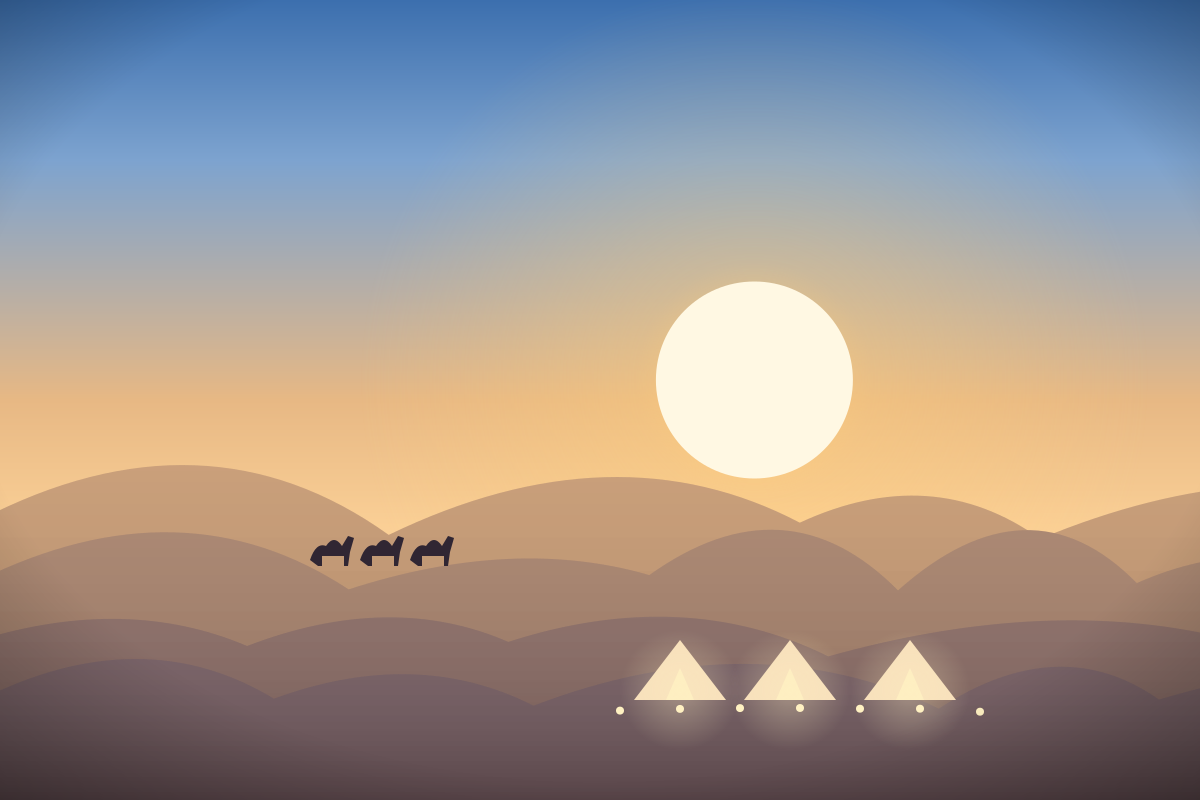
Samburu looks like a different continent. The soil is rust red, the hills are bare granite and a single green ribbon of doum palms and acacia follows the Ewaso Ng'iro. Daytime temperatures often reach the high 80s to mid 90s. The light is harsh at noon and gorgeous at dusk, when elephants come down to the river and everything glows copper.
If your mental picture of Africa is wide grass under a big sky, Laikipia fits it better. If you want a safari that looks like the setting of a western film, Samburu delivers.
The Animals Each One Does Best
Laikipia's headline is rhinos. The plateau holds Kenya's largest numbers of black rhino, protected on conservancies such as Ol Pejeta, Lewa and Borana. Ol Pejeta also cares for the last two northern white rhinos on the planet. Wild dogs den on the plateau, Grevy's zebra graze there and lions and leopards are present, though the bush can be thick.
Samburu's strength is its dry-country species. Gerenuk standing on their hind legs to browse, beisa oryx with their long straight horns and Somali ostrich with blue-gray legs are hard to see anywhere else on a typical Kenya route. The river draws large elephant herds, plus lions and leopards that use the riverine forest. Game viewing is concentrated along the water, so drives tend to be efficient.
Neither place is about the migration. That is the Mara's job. Together, though, they fill in the rest of Kenya's wildlife in a way the Mara cannot.
Walking, Riding and Doing Things
This is where Laikipia pulls ahead for active couples. Because the land is private, camps can offer almost anything: rhino tracking on foot with conservancy rangers, horseback rides alongside zebra and giraffe, camel treks with local handlers, mountain biking and night drives. Several camps let you mix three or four of these in a single stay. Riders should be honest about their experience, since camps assess you before going near big game.
Samburu is gentler in rhythm. The heat sets the timetable: drives at dawn and late afternoon, then long afternoons by the pool. Conservancy camps add guided walks with Samburu warriors, night drives and visits to the singing wells in the dry season, where herders chant as they pass water hand to hand to their cattle. A dinner laid out on a dry riverbed by lantern light is a Samburu specialty.
The short version: Laikipia keeps you busy, Samburu slows you down.
Camps and Lodges
Laikipia has more choice. Camps are few and far apart, but each conservancy has its own style. Loisaba is known for star beds, rolling platforms you wheel out under the sky; Elewana Loisaba Tented Camp sits on the escarpment there with long views north. Lewa Wilderness is a family-run lodge with horses. Segera Retreat has villas set among art and gardens. Ol Pejeta has the widest range, from classic tented camps to simpler stays near Nanyuki.
Samburu's best stays sit in the community conservancies around the national reserve. Expect hillside lodges with open-fronted rooms facing the plains, riverbank tented camps where you hear elephants at night and a few remote camps farther north below the Mathews Range, some with rock pools. Inside the reserve, simpler lodges trade privacy for location.
In both places, plunge pools and private decks are common at the top end. Ask any camp for a room set apart from the main area.
Best Months for Each
The two share a calendar. Dry seasons run from roughly late June to October and from late December to early March. These are the easiest months for walking and riding in Laikipia and the busiest along Samburu's river, when animals have few other places to drink.
The long rains usually arrive in April and May. The short rains follow around November. Laikipia's rainfall is lower and patchier than the Mara's, so shoulder months can still work there. Samburu's rains are lighter still, though a storm can close a road for a day or two. Several camps in both areas close for part of April, May or November, so check dates before you set your heart on one.
Temperature is the real difference. Laikipia's mornings are cold enough for a fleece year-round. Samburu's afternoons are hot in every season. Spending a few nights in each balances that nicely.
Getting There and Linking Them
Both are reached from Nairobi's Wilson Airport (WIL) on scheduled bush flights run by Safarilink and AirKenya. Laikipia's main strip is Nanyuki (NYK), about 45 minutes away, with private strips at Lewa, Loisaba and Segera. Samburu's strips, near Buffalo Springs and in the Kalama conservancy, are about an hour from Wilson. Flights often stop in Laikipia on the way, which makes moving between the two simple.
By road, Nairobi to Nanyuki takes three to four hours on paved highway. Samburu is six hours or more via Isiolo. Most couples fly rather than spend a day on the road.
Pack soft duffels of about 15 kg each for the small planes. Flights also connect both regions with the Maasai Mara, so a three-stop Kenya trip of Mara, Laikipia and Samburu is easy to book as one itinerary with no backtracking through Nairobi.
Cost and Value
Neither is cheap. Private conservancy camps in both areas charge all-inclusive rates that cover meals, drinks, activities and conservancy fees. As a rough guide, Elewana Loisaba Tented Camp starts from about $1,400 a night (approximate, varying by season). Top Laikipia camps can run higher because so many activities are included. Samburu's conservancy camps usually sit in a similar band, with simpler lodges inside the reserve costing less.
The way to stretch a budget is timing rather than location. Shoulder months bring lower rates at the camps that stay open. A three-night stay in each place is often cheaper per night than a single long booking at one flagship camp.
Budget for bush flights, tips for guides and trackers and evacuation insurance. Both regions are far from big hospitals. Check the State Department's Kenya advisory before you book and again before you fly, since the guidance applies country-wide.