Big Sky Country vs Granite Walls
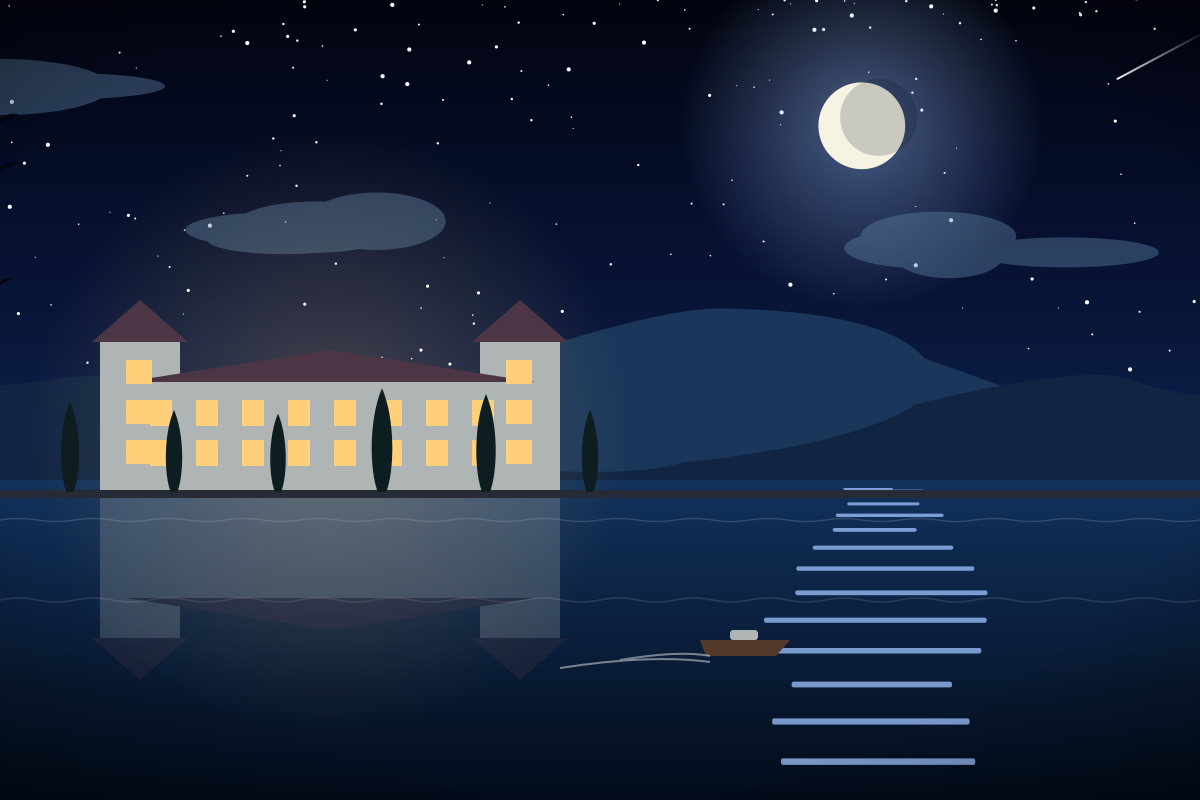
Tekapo is about openness. The Mackenzie Basin is wide high country with gold tussock, braided rivers and lakes of unreal color. The village is small and low-key, with a lakeside walk and the tiny stone Church of the Good Shepherd, built in 1935, whose altar window frames the lake and mountains. At night the stars take over. Lighting rules keep the sky dark enough to see the Magellanic Clouds, two neighboring galaxies visible only from the Southern Hemisphere.
Fiordland is about enclosure and scale. Cliffs rise straight from black water and the rainforest is thick with moss and ferns. Dolphins and fur seals share the fiords. Milford Sound runs about 10 miles from its head to the Tasman Sea, with walls thousands of feet high. Mobile coverage disappears beyond Te Anau.
In Tekapo, you look up. In Fiordland, you look up too, but at rock and falling water. Both make you feel small in the best way.
The Signature Experiences
Tekapo's big night is a stargazing tour with the Dark Sky Project. Guides point out constellations and planets. Then you look through powerful telescopes on the summit of Mount John or from the lakefront. Follow it with a soak at Tekapo Springs, hot pools at the foot of Mount John with views across the lake. By day, drive to Aoraki/Mount Cook to walk the Hooker Valley Track: about three hours round trip over three swing bridges to a glacier lake beneath the peak. A ski plane landing on the Tasman Glacier is the splurge.
Fiordland's headline is the overnight cruise on Doubtful Sound. You cross Lake Manapouri, drive over Wilmot Pass and board in the fiord. At night the captain often switches off the engines so you can hear the silence. A day cruise on Milford Sound passes close enough to Stirling Falls to feel the spray. Kayak beneath the cliffs with a guide. Take a boat to the Te Anau glowworm caves. Walk to Key Summit off the Milford Road.
Both deliver at least one moment you will talk about for years.
Where You Will Sleep
Lake Tekapo village has hotels, motels and apartments, many with lake views. Lake Tekapo Lodge is a small lodge with rooms often from around $300 a night (approximate). Peppers Bluewater Resort and other boutique lodges sit on the hillside above the water. Out in the high country, some lodges and vacation homes sit on working sheep stations. A few rentals have glass ceilings or skylights built for stargazing from bed. At Mount Cook Village, The Hermitage Hotel has rooms facing Aoraki, where the summit turns pink at sunrise.
In Fiordland, Te Anau is the base, on the shore of New Zealand's second-largest lake. Fiordland Lodge, a timber lodge just north of town, often starts around $450 a night. Te Anau Lodge offers a more modest stay, often from around $175. At the end of the road, Milford Sound Lodge has riverside chalets from around $450, letting you see the sound before the day buses arrive. The most memorable bed of all is a cabin on an overnight cruise.
All prices are approximate and rise in summer.
Weather and the Best Season
Tekapo has something in every season. December to March brings warm, dry days and the best hiking at Mount Cook, but nights are short, so stargazing tours often start after 10 pm. Late November and December are lupin season, with purple, pink and blue flowers along the shore. June to August has the longest and darkest nights, the best for stargazing, though it is cold and often below freezing. Weather changes quickly at this altitude. Tours cancel for cloud, so check the moon phase too.
Fiordland is one of the wettest places on earth, with Milford Sound averaging over 20 feet of rain a year. That is not a reason to skip it. Rain fills hundreds of temporary waterfalls. Clear days often follow wet ones. December to March is the main season. April is often settled. Winter brings cold but frequently calm, clear days, though the Milford Road may need chains and can close after heavy snow.
If rain would truly spoil your trip, Tekapo is the safer bet.
Getting There and the Drives
Both require a rental car and some driving. From the US, fly to Auckland, then on to Christchurch (CHC) or Queenstown (ZQN).
Tekapo is about three hours from Christchurch through farmland and Burkes Pass. It is also about three hours from Queenstown via the Lindis Pass, or two and a half from Wanaka. Aoraki/Mount Cook Village is about an hour and fifteen minutes from Tekapo, along Lake Pukaki. Stop at the Pukaki lookout for the classic view of the peak across the water.
Fiordland starts about two hours from Queenstown at Te Anau. From there, the Milford Road takes two hours or more, climbing through beech forest and the single-lane Homer Tunnel. Fill up with fuel in Te Anau, since there are no gas stations beyond it. Many couples skip the drive with a fly-cruise-fly trip from Queenstown or Te Anau. Doubtful Sound trips leave from Manapouri, 20 minutes south of Te Anau, with operators handling all transport inside the park.
Drive on the left. Download maps before heading out of town.
Food and Small Comforts
Neither is a dining destination, which is part of their charm. Tekapo has a handful of restaurants in the village, with Japanese cooking showing up more than you might expect alongside lamb and salmon. The local salmon is the star, farmed in the cold hydro canals of the Mackenzie Basin. At the Mt Cook Alpine Salmon shop on Lake Pukaki, you can eat sashimi with a view of Aoraki. The Astro Cafe on Mount John serves coffee at one of the region's best views.
Te Anau's restaurants line the main street near the lake, with venison, lamb, blue cod and Fiordland crayfish in season. Overnight cruises serve buffet dinners with a short wine list. Milford Sound itself has very few food options, so pack snacks.
Comfort tips differ. In Tekapo, dress warmly at night even in summer. In Fiordland, bring strong insect repellent for sandflies, which are relentless near the water in calm weather. Pack a rain jacket for both of you in either place.
Pace and Who It Suits
Tekapo is gentle. The walks are scenic and mostly easy, the village is quiet and the main event happens after dark. It suits couples who want a restful stop between bigger days on a road trip. Two nights is usually right: one in Tekapo for the stars and the hot pools and one at Mount Cook for the Hooker Valley. If you can only choose one base, Tekapo has more dining and the stargazing tours.
Fiordland asks more of you. Days start early, boats run on schedules and weather can force a change of plan. Build in a spare day in Te Anau so one storm does not cancel your only chance at Milford. Two or three nights works well, ideally including a night on Doubtful Sound.
Hikers will find more to chew on in Fiordland, including the Milford Track and other Great Walks, which run their main season from late October to late April. Book huts as soon as bookings open. Guided walks with private rooms make a good honeymoon upgrade.
Fitting Both Into a Road Trip
The two sit at opposite ends of a classic South Island loop, roughly five hours apart by road, with Queenstown and Wanaka in between. A good honeymoon route runs Christchurch, Lake Tekapo, Mount Cook, Wanaka, Queenstown, Te Anau and back to Queenstown for the flight out.
A sample plan for twelve nights: two in Tekapo and Mount Cook, three in Wanaka, four in Queenstown and three in Fiordland, including an overnight cruise on Doubtful Sound. Drive the Milford Road one way and take a scenic flight back to Queenstown if budget allows.
If you only have a week, it is easier to choose. Start in Christchurch for Tekapo and Mount Cook, then end in Queenstown. Or fly straight into Queenstown and spend your nights between the lake town and Fiordland.
In winter, prioritize Tekapo for the stars and keep Fiordland flexible, since snow can close the Milford Road.