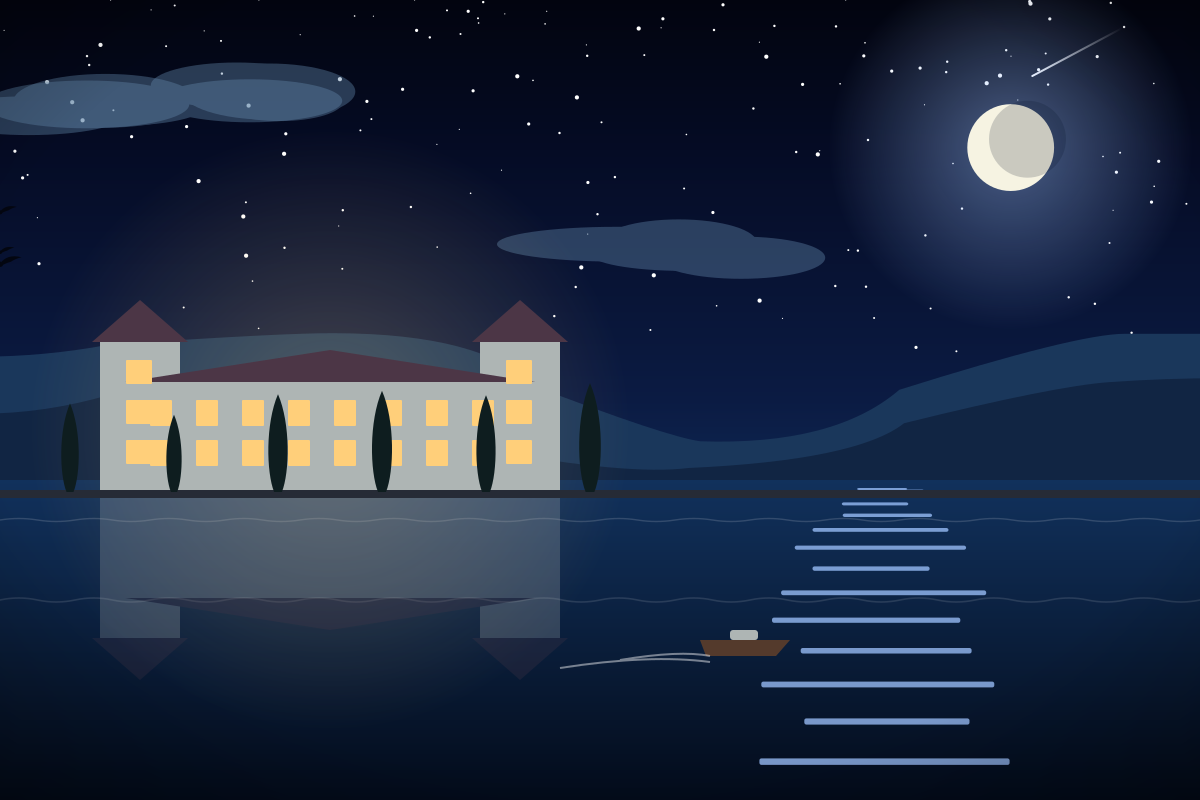
Steam and Culture vs Lake and Volcanoes
Rotorua's appeal is that the best thing to do here is lie in hot water, whatever the weather. A rainy afternoon in a private pool overlooking the lake can beat a sunny one. Between soaks, you walk among geysers, watch carvers at work and drive to Lake Tarawera, where the 1886 eruption buried a whole village. At night, the Redwoods Treewalk leads through century-old Californian redwoods lit by lanterns.
Taupō's appeal is range. One day you hike across an active volcanic landscape past emerald crater lakes. The next you sail to giant Māori rock carvings on a cliff, then sit in a natural hot stream at Spa Thermal Park as the sun goes down. Thrills are easy to find, from skydives to bungy jumps above the Waikato River. Calm is easy too, with fly-fishing guides and lake cruises.
Taupō also sees fewer international tour groups than Rotorua. Rotorua repays you with the richer cultural experiences.
Where Couples Stay
In Rotorua, where you sleep shapes the trip. Central motels and hotels along Fenton Street often have small private geothermal pools, which is handy and affordable but not especially romantic. For a honeymoon, look to the lakes. Solitaire Lodge sits on a private peninsula on Lake Tarawera, about 20 minutes away, with dinner included and the water right below your windows. Treetops Lodge and Estate is a luxury lodge on a large private forest and game estate southeast of town, with trout streams and walking trails.
In Taupō, Huka Lodge is the famous name, a luxury fishing lodge on the Waikato River just upstream from Huka Falls, with dinner and breakfast included. It has hosted royalty and sits firmly in splurge territory. Lakefront apartments and boutique hotels along Lake Terrace have balconies facing the volcanoes. Kinloch, 20 minutes away, is quieter and suits a self-catering stay.
In both places, look for a stay with its own pool or fireplace if you travel in the cooler months.
What a Stay Costs
The two are priced similarly, which makes the choice about style rather than budget. In Rotorua, expect roughly NZ$200 to $400 a night for a good motel or hotel. The lakeside luxury lodges cost several times that, which usually include dinner. In Taupō, a good lake-view hotel or apartment runs roughly NZ$200 to $450 a night, with Huka Lodge costing far more.
Activities shape the rest of the budget. In Rotorua, entry to Te Puia, Wai-O-Tapu and a hāngī evening adds up, as do private pools at the Polynesian Spa. In Taupō, the big tickets are a tandem skydive, a jet boat to Huka Falls, a sailing trip and a shuttle for the Alpine Crossing. Spa Thermal Park's hot stream is free.
All figures are approximate. Book lodges early for late December and January, when New Zealand families take their holidays. April, May, October and November are often cheaper and quieter in both.
Hot Water, Two Ways
Both towns have hot springs. They feel very different.
Rotorua is a full geothermal spa town. Book a private lake-view pool at the Polynesian Spa on the lakefront rather than the shared bathing area; the pools are small and warm and give you real time together. Many motels have their own geothermal tubs. You can also try mud baths. Wai-O-Tapu's Champagne Pool and colored terraces are best in the morning.
Taupō's signature soak is Spa Thermal Park, where a hot stream meets the cool Waikato River. It is free and popular, so go early for a quieter dip. Several resorts and pools around town add more formal options.
In both, follow the safety rules. Never step off marked paths in geothermal areas, where the crust can be thin and the water scalding. Keep your head above the water in natural hot pools. Take off silver jewelry, including wedding rings, before you soak in sulfur water, since it can tarnish quickly.
Big Days Out
Rotorua's headline days are cultural and geothermal. Start at Te Puia in the Whakarewarewa valley to see Pōhutu Geyser, the largest active geyser in the Southern Hemisphere, plus the carving and weaving schools. Next door, Whakarewarewa Living Māori Village shows how families cook in hot springs. Book an evening hāngī and performance with a well-reviewed operator. Cruise or kayak Lake Tarawera. Ride the Whakarewarewa Forest mountain bike trails, which run for well over 100 kilometers, while your partner books a massage.
Taupō's headline day is the Tongariro Alpine Crossing, roughly 19 kilometers past red craters and the Emerald Lakes. Book a licensed shuttle, start early and turn back if weather closes in. It is exposed and above the tree line. Other days bring a jet boat to Huka Falls, a sunset sail to the Ngātoroirangi Mine Bay rock carvings or a skydive over the lake. Check dam release times to watch the Aratiatia Rapids fill.
Skydiving is weather dependent, so book it early in your stay.
Seasons for Each
Rotorua works in any season. December through March brings warm days around 73 degrees Fahrenheit and lake swimming. April, May, October and November are mild and quieter. Winter, June to August, brings frosty mornings and highs closer to 54 degrees. That sounds grim until you remember that steaming pools on a cold night are what Rotorua does best.
Taupō is more seasonal. December to March is prime time, when the lake is pleasant for swimming and the Alpine Crossing is usually free of snow, though mountain weather can still turn quickly. October, November and April are good shoulder months. In winter, the Crossing becomes a guided alpine trip with ice axes and crampons. The ski fields on Mount Ruapehu open instead. Taupō sits about 360 meters above sea level, so pack a warm layer even in summer.
For a winter honeymoon, Rotorua is the clear pick. For summer hiking, Taupō is.
Getting There
Most couples drive. Rotorua is about three hours from Auckland Airport (AKL) through dairy country, with an easy stop at Hobbiton or Hamilton on the way. Rotorua Regional Airport (ROT) has turboprop flights from Auckland, Wellington and Christchurch, which helps if you are coming from the South Island.
Taupō is about four hours from Auckland Airport and about five from Wellington. Taupō Airport (TUO) has short flights from Auckland and scheduled flights from Wellington, so check current schedules.
You need a car in both. Rotorua's geothermal parks, Lake Tarawera and the lodges are spread over 30 to 40 minutes of driving. Taupō's lake is huge and Tongariro is about an hour south. For the Alpine Crossing, which starts and ends at different points, use a shuttle rather than driving it yourselves.
Remember that New Zealand drives on the left. Roads are good but can be winding, so allow extra time.
Doing Both in One Trip
This is easy. It is also how most couples handle the choice. The towns are about an hour apart on a good road. A four or five night North Island leg works well as two or three nights in Rotorua followed by two in Taupō, or the reverse if you are driving north from Wellington.
A simple route runs Auckland, Hobbiton, Rotorua, Taupō and then south to Wellington, or back to Auckland. Spend your Rotorua days on geysers, culture and hot pools. Then move to Taupō for a sail, Huka Falls and, if the forecast cooperates, the Alpine Crossing. Keep one flexible day in Taupō for mountain weather.
Rotorua also makes a good hub for a day at the beaches of Mount Maunganui, about an hour north.
Once you finish, fly south to Queenstown or Christchurch for the mountain half of the honeymoon. Many couples find these two towns balance the South Island perfectly.