Valletta, Mdina and Gozo in 8 Days

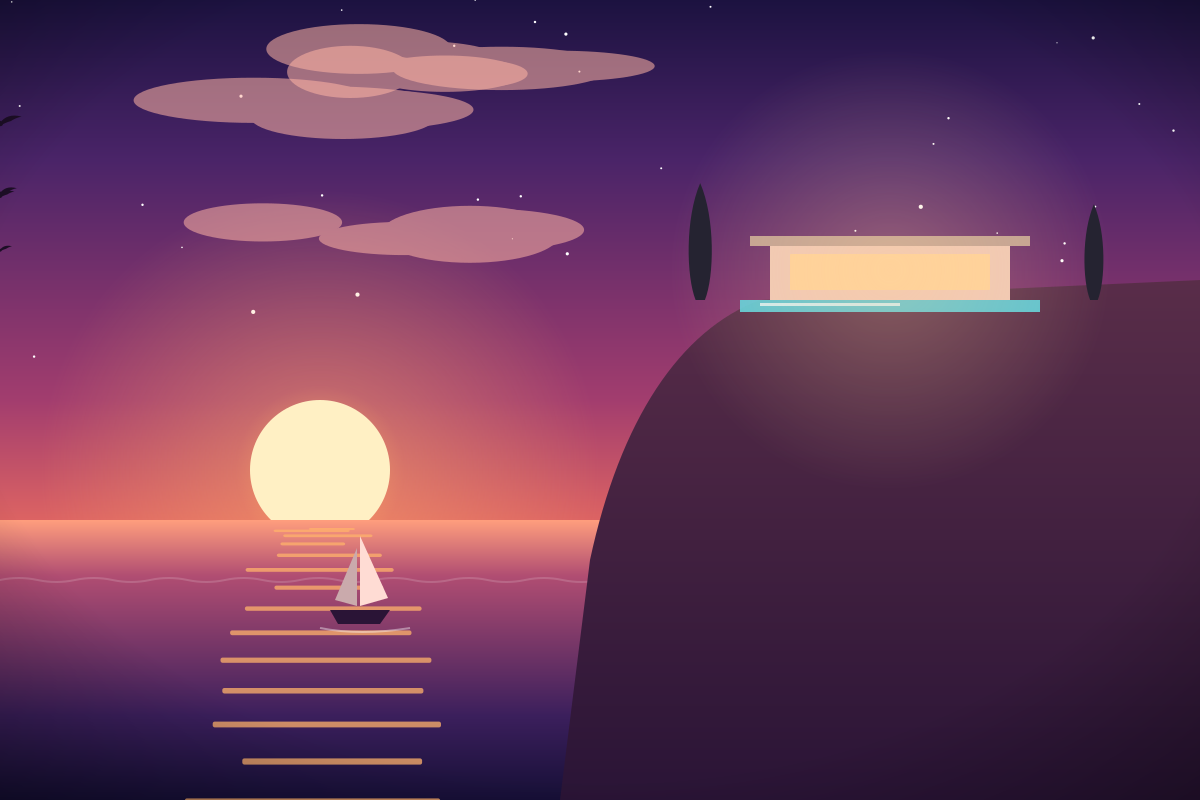
Harbor sunsets in Valletta, a lamplit night in Mdina and a farmhouse pool on green Gozo

8 days3 stops
Original illustration
At a glance

Spend three nights in Valletta for harbor views, Caravaggio and wine bars, one night inside the walls of Mdina after the day visitors leave, then three nights on Gozo in a stone farmhouse or clifftop hotel. It suits couples who like history, swimming in clear water and short drives. April to June and September to October are the best months.

Malta is small enough that a week feels unhurried. The whole country is smaller than the city of Philadelphia, so you spend your time on harbor walks and swims instead of in cars. It is also English-speaking, sunny for most of the year and noticeably cheaper than the Greek islands or the Amalfi Coast for a private, romantic stay.

The route uses three bases. Valletta, the golden-stone capital on its fortified peninsula, comes first for art, harbor sunsets and wine bars on Strait Street. Mdina, the walled hilltop city in the center of the island, gets one night, since it empties at sunset and glows under lamplight. Gozo, the greener sister island, is the slow finish, ideally in a restored farmhouse with its own pool.

There are no nonstop flights from the US, so you connect through a European hub to Malta International Airport (MLA). Every drive after that takes less than an hour.

The route

  1. VallettaMalta · 3 nights
  2. MdinaMalta · 1 nights
  3. GozoMalta · 3 nights
Best months
April to June and September to October
Trip length
8 days
Budget
About $250–600 a night for two in boutique palazzos, farmhouses and spa hotels (approximate)

Day by day

Days 1–3: Valletta

Malta International Airport is about 20 minutes by taxi from Valletta. Drivers cannot reach many hotel doors inside the walls, so expect a short walk with your bags. Keep the first evening simple: watch the sunset over the Grand Harbour from the Upper Barrakka Gardens, then eat on a terrace.

On day two, see Caravaggio's Beheading of Saint John at St. John's Co-Cathedral in the morning. In the afternoon, take a water taxi across the Grand Harbour to Birgu, one of the Three Cities. Wander its quiet lanes. Spend the evening in the wine bars along Strait Street.

On day three, if you booked months ahead, tour the Ħal Saflieni Hypogeum, an underground prehistoric burial site with strictly limited tickets. Otherwise, take the short ferry to Sliema for a swim off the rocks. Walk the sea walls around Valletta at dusk before a long dinner.

Day 4: Mdina

Mdina is about half an hour by taxi or bus from Valletta. Cars cannot enter, so taxis drop you at the main gate. Arrive by early afternoon and leave your bags.

See the cathedral and its museum, then walk out to the Dingli Cliffs for sunset, about 15 minutes away by car, where the land drops straight into the sea. Back in Mdina, eat cake on the bastions at Fontanella with the whole island spread below.

The point of staying overnight is the evening. Once the tour buses leave, the narrow lanes go almost silent. After dinner, walk through the lamplit streets with no one else around. In the morning, step outside the gate to Rabat for St. Paul's Catacombs and a pastizz from a local bakery before you head north.

Days 5–8: Gozo and Home

Drive or take a taxi from Mdina to the Ċirkewwa ferry at the northern tip of Malta, about 30 to 40 minutes. Car ferries cross to Mġarr on Gozo in about 25 minutes. Rent a car for Gozo, since farmhouses and the best swimming spots are spread out.

On day six, snorkel the Inland Sea at Dwejra, where a tunnel in the cliff opens onto the open sea. Watch the sunset over the salt pans at Xwejni. On day seven, take an early boat to Comino's Blue Lagoon before the crowds, then spend the afternoon at your pool. Swim at Ramla Bay's red-gold sand another morning, or climb the Citadel walls in Victoria.

On day eight, take the ferry back to Malta and drive to the airport, about an hour or a little more in total. Allow extra time on summer weekends, when ferry queues can build.

Getting Between Stops

Every transfer on this route is short. Valletta to Mdina is about half an hour by taxi or bus. Mdina to the Ċirkewwa ferry is about 30 to 40 minutes by road. The car ferry to Gozo takes about 25 minutes. You generally pay for the ferry on the return trip from Gozo.

If you would rather not drive on Malta itself, use taxis or ride-hailing apps. A fast passenger ferry also links Valletta with Mġarr on Gozo in about 45 minutes, which is handy if you skip Mdina.

Drive on the left. Roads are narrow and busy on the main island. Parking is hard near Valletta and Mdina. On Gozo, traffic is lighter and no drive takes much longer than half an hour. Pick up your rental car when you leave Valletta, not on arrival.

Where to Stay

In Valletta, stay inside the walls in a converted palazzo. Casa Ellul, a small luxury hotel in a Victorian-era palazzo, is a classic couples' choice. The Phoenicia Malta, just outside City Gate, has gardens and a pool. Ask for an upper-floor room, since ground floors can be dim.

In Mdina, the Xara Palace, a 17th-century palazzo built into the bastions, is the obvious honeymoon pick. Rooms are limited, so book early. Guesthouses in Rabat, just outside the gate, cost less.

On Gozo, a restored stone farmhouse with a private pool is the island's signature stay. Check that the pool is fully private and how far it is to dinner. For hotel comforts, the Kempinski Hotel San Lawrenz has a large spa near Dwejra. Xlendi suits couples who want restaurants and rock swimming within walking distance.

When to Go

April to June and September to October are the best months. Days are warm, the sea is clear and the island is green in spring. The sea is warmest in September and early October, which is ideal for snorkeling.

July and August are hot, often above 90°F, with little shade in the old towns. Cruise passengers fill Valletta in the middle of the day and ferry lines to Gozo grow long.

Malta is mild in winter compared with most of Europe. From November to March, Valletta and Mdina are pleasant for walking and museums, though the sea is cool and some boat trips stop. Gozo's farmhouses are cozy in winter but less suited to a swimming holiday.

In any month, plan beach and boat trips for the morning. Afternoon winds can make the sea choppy on exposed coasts.

What It Costs

Malta offers good value for the Mediterranean. As an approximate guide, boutique palazzo hotels in Valletta cost about $250 to $500 a night for two. The Xara Palace in Mdina runs in a similar range. On Gozo, a private farmhouse with a pool often costs $200 to $400 a night. The Kempinski Hotel San Lawrenz starts around $250.

Flights from the US connect through hubs such as London, Frankfurt, Rome or Istanbul. Rental cars and ferries are inexpensive.

The extras worth paying for are a private boat to Comino early in the morning, a guided dive or snorkel at Dwejra, a Hypogeum ticket booked well ahead and a long seafood lunch in Xlendi or Marsalforn. Maltese wine is improving and cheap, so try local bottles at dinner.

Tips for the Two of You

Malta is sunny and bright, with little shade in the old cities. Bring hats, reef-safe sunscreen and refillable water bottles.

Most swimming is off rocks, so water shoes help. On exposed coasts, check sea conditions before swimming and stay out when waves are big, since currents can be strong. Swim where locals swim and follow any posted flags.

Churches, including St. John's Co-Cathedral, ask both of you to cover shoulders and knees. A light scarf or overshirt solves it.

This route suits different interests. One of you might want a dive course on Gozo while the other spends a morning at the pool or walking coastal paths. Gozo is small enough that you can split up and meet for lunch within minutes.

Valletta and Mdina are full of steps. Pack light and check your hotel's luggage arrangements.

Make It Shorter or Longer

With five or six days, skip Mdina as an overnight and visit it as a day trip from Valletta, then spend two nights on Gozo.

With ten days, add two more nights on Gozo or one in a seaside village on Malta such as Mellieħa, where there is a sandy beach. You could also add a night in the Three Cities across the Grand Harbour, where a few boutique hotels face the yachts.

For a longer trip, combine Malta with Sicily. Catamarans run from Valletta to Pozzallo in Sicily in under two hours. From there you can reach Ragusa, Noto and the baroque southeast within an hour. Another option is to start in Rome for three nights and fly to Malta, which is a short hop.
FAQ

Planning this trip

Is Malta good for a honeymoon?

Yes. Malta combines a golden-stone capital, a walled hill town and a green island with clear water in a very small area. English is widely spoken, prices are lower than on many Greek islands and private farmhouse stays on Gozo give you a lot of privacy for the money.

How do we get from Malta to Gozo?

Drive or take a taxi to Ċirkewwa at the northern tip of Malta, then take the car ferry to Mġarr, which takes about 25 minutes. A fast passenger ferry also runs from Valletta to Mġarr in about 45 minutes. You generally pay on the return trip from Gozo.

Do we need a car in Malta?

Not in Valletta or Mdina, where taxis and buses work well. A car is worth renting for Gozo, since farmhouses and the best swimming spots are spread out. Malta drives on the left, roads are narrow and parking near the old towns is limited.

Does Malta have good beaches?

A few. Ramla Bay on Gozo and Mellieħa Bay on Malta have sand, but most swimming is from rocks in very clear water. Comino's Blue Lagoon is famous for its color. Go early in the morning, since it gets crowded with boat trips by late morning.

How long should a Malta honeymoon be?

A week is ideal, with three nights in Valletta, one in Mdina and three on Gozo. Five days works if you skip the night in Mdina. With more time, add Sicily by catamaran or a few nights in Rome before you fly to Malta.

Stops on this route

Honeymoon Huts is reader-supported. When you book through links on this page we may earn a commission, at no extra cost to you. Our picks are editorially independent. How we earn money.