Why Guadeloupe for a Honeymoon
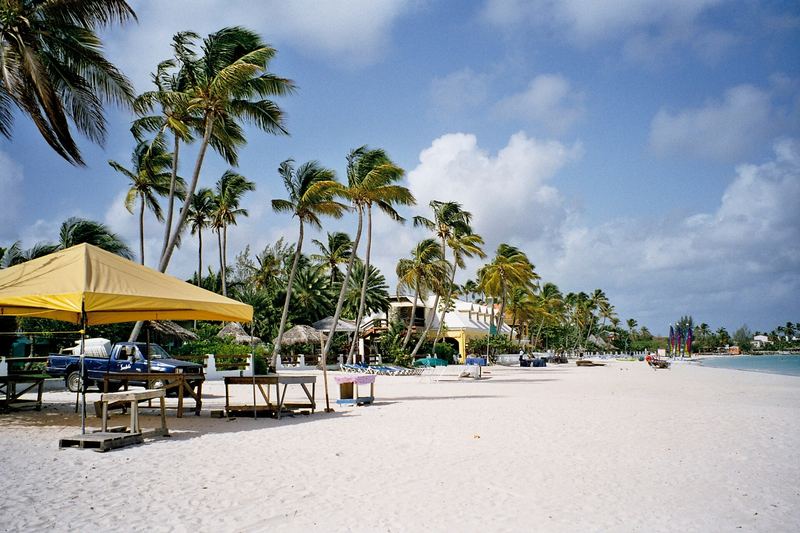
Variety is the main selling point. In a week you can hike to waterfalls in the rainforest, snorkel with turtles at the Cousteau Reserve, lounge on white sand at Sainte-Anne and take a ferry to an island where the main transport is a scooter. Each part of the archipelago has a different character.
The food is another reason to come. Guadeloupe blends French technique with Creole, African and Indian flavors. The island has excellent seafood, rum and pastries. Many beach restaurants are simple shacks serving grilled fish with a view.
Prices for rooms can be lower than on the more famous English-speaking islands, especially in small hotels and rentals. The tradeoff is that you need to be comfortable with French menus and road signs and with planning more of the trip yourself. For couples who like independence, that is a feature.
If you do one romantic thing here, take an afternoon ferry to Terre-de-Haut in Les Saintes and stay the night. Once the day boats leave, you get a quiet village, a swim as the light goes gold and dinner on a terrace over one of the prettiest bays in the Caribbean.
Best Time to Visit
The dry season, called carême, runs from roughly December to May. It brings steady trade winds and the least rain, especially on Grande-Terre. This is peak season, with the highest prices around Christmas, New Year and the French school holidays in February. Carnival runs from early January through Ash Wednesday, with parades on Sundays and a big finale before Lent.
The wet season, hivernage, runs from about June to November and overlaps the hurricane season, which peaks from August to October. Rain falls in heavy bursts, the rainforest is lush and prices drop. Some hotels close for a few weeks in September or October. In August, the Fête des Cuisinières in Pointe-à-Pitre celebrates the island's women cooks with a parade in traditional dress. Every four years, in November, the Route du Rhum solo sailing race ends at Pointe-à-Pitre, which fills hotels around the harbor.
Where to Go
Our Les Saintes guide covers the small archipelago south of Basse-Terre, where Terre-de-Haut has a French village, steep green hills and one of the prettiest bays in the Caribbean. It is the most romantic corner of Guadeloupe and easy to reach by ferry.
Our Deshaies guide covers the northwest coast of Basse-Terre: a fishing village with good restaurants, Grande Anse beach, the botanical garden and easy access to the Cousteau Reserve. It is also known as the filming location for the TV series Death in Paradise.
On Grande-Terre, Sainte-Anne and Saint-François have the largest choice of beach hotels and restaurants. Pointe des Châteaux makes a dramatic sunset walk. Marie-Galante is the place for quiet beaches and rum distilleries. Basse-Terre's national park is the base for hikes to La Soufrière and the Carbet Falls.
Sample 10-Day Itinerary
- Day 1: Fly into Pointe-à-Pitre, pick up a rental car and drive to Sainte-Anne or Saint-François.
- Days 2–3: Beach days on Grande-Terre, with a sunset walk at Pointe des Châteaux and a visit to the Memorial ACTe in Pointe-à-Pitre.
- Day 4: Drive across to Basse-Terre and settle into Deshaies. Swim at Grande Anse.
- Day 5: Snorkel or dive the Cousteau Reserve off Malendure, then visit the Deshaies botanical garden.
- Day 6: Hike to the Carbet Falls or, with good weather and fitness, climb La Soufrière with a guide.
- Day 7: Drive to Trois-Rivières and take the short ferry to Terre-de-Haut in Les Saintes.
- Days 8–9: Explore Les Saintes by scooter, hike to Fort Napoléon and Le Chameau and swim at Pompierre.
- Day 10: Ferry back to Guadeloupe and fly home.
Budget and Costs
All figures are approximate. Guadeloupe follows French pricing, with groceries and imported goods costing more than in mainland France. Simple guesthouses and rentals start around $90–150 a night, comfortable small hotels around $150–300 and the best resorts and villas $350 and up in high season. Ferries to Les Saintes cost roughly $25–50 per person each way, depending on the port.
Eating out ranges widely. A lunch of grilled fish at a beach shack costs around $15–25 per person, while a nice dinner for two with wine runs about $80–150. Local rum and fruit are cheap at markets and supermarkets. A rental car costs roughly $35–70 a day and is essential for exploring. Budget around $250–450 a day as a couple for a comfortable trip. Cards are widely accepted, but carry cash for markets, small restaurants and the islands.
Getting There and Around
Pointe-à-Pitre International Airport (PTP) is the gateway. Air France flies nonstop from Miami year-round. American Airlines adds seasonal Miami flights, each taking about three and a half hours. JetBlue has operated seasonal flights from New York JFK in some winters. Other routes connect through San Juan, Martinique, Saint Martin or Paris. Check current schedules, as routes change often.
On the islands, a rental car is the best way to get around. Roads are generally good, though smaller roads can be potholed and mountain stretches on Basse-Terre are steep and winding. Traffic around Pointe-à-Pitre is heavy at rush hour. Buses are infrequent and limited on weekends. Taxis are expensive.
Ferries connect the main island with Les Saintes, Marie-Galante and La Désirade. Fast ferries also run to Martinique, Dominica and Saint Lucia.
Culture and Etiquette
Always greet people with "bonjour" when entering a shop or restaurant. Switch to "bonsoir" in the evening. It is expected and makes a big difference in how you are received. Learning a few words of Creole, such as "mèsi" for thank you, is appreciated.
Guadeloupe's history of slavery and resistance is central to its identity. The Memorial ACTe in Pointe-à-Pitre is a powerful introduction and worth a few hours. Music is everywhere, from gwoka drumming to zouk.
Topless sunbathing is accepted on many beaches, but cover up away from the sand. Mosquitoes can carry dengue and chikungunya, so pack repellent; if you're pregnant or hoping to be soon, check CDC travel health notices for Guadeloupe. Service is included in restaurant prices, so tips are optional, though leaving a few euros for good service is common. Strikes and protests over prices or water supply occasionally affect roads and services, so follow local news and ask your hotel for advice.
Quick tips
- Rent a car at the airport; buses are infrequent and taxis are expensive, with surcharges at night and on Sundays.
- Keep a few large bottles of water in your room, since some areas still see water supply cuts.
- Book ferries to Les Saintes or Marie-Galante ahead on weekends and French school holidays.