Why Dominica for a Honeymoon
Most Caribbean islands sell sand. Dominica sells experiences. The island is small enough that you can fit a lot of them into a week without feeling rushed. Morne Trois Pitons National Park, a UNESCO World Heritage Site since 1997, covers much of the interior and holds the Boiling Lake, the Valley of Desolation, crater lakes and a string of waterfalls.
The sea is just as busy. Champagne Reef bubbles with volcanic gas. Scotts Head has a sheltered marine reserve where the Atlantic meets the Caribbean. A resident population of sperm whales lives off the leeward coast. In 2023 the government set aside a large sperm whale reserve to protect them.
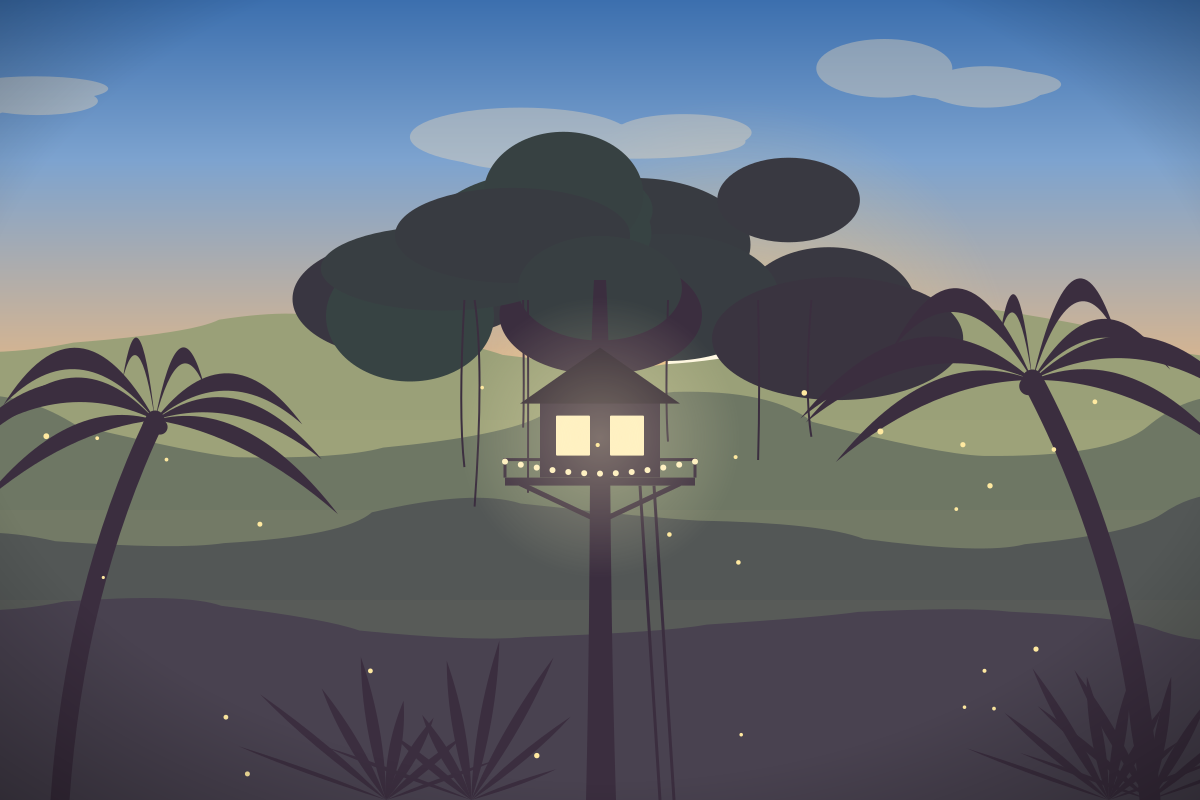
The romance here is quieter and earthier than on the resort islands. Think candlelit dinners in a treehouse suite, private plunge pools fed by springs or long conversations over a rum punch while frogs start up in the dark. If your idea of a honeymoon includes hiking boots, this island rewards you.
Best Time to Visit
The dry season runs roughly February through May. It is the best window for a honeymoon. Trails are firmer, rivers run clear and the seas on the west coast are usually calm for diving and whale trips. Expect daytime highs in the mid 80s Fahrenheit on the coast and noticeably cooler air in the mountains, where you may want a light layer at night.
December and January are pleasant too, though showers are more frequent. June through November is the wet season and overlaps with hurricane season, which peaks August through October. Dominica takes heavy rain seriously because flash floods can close roads and river crossings quickly, so build slack into any itinerary and listen to your guides.
Two events are worth planning around. Carnival, known locally as Mas Domnik, happens in the days before Lent. The World Creole Music Festival fills Roseau on the last weekend of October with kadans, zouk and bouyon. Book lodging early for either.
Where to Go
Roseau Valley is the place to base yourselves for at least part of the trip. It sits just inland from the capital and puts Trafalgar Falls, Titou Gorge, the Wotten Waven hot springs and the Boiling Lake trailhead at Laudat within a short drive. Our Roseau Valley guide covers it in detail.
The north is the island's softer side. Portsmouth sits on Prince Rupert Bay beside Cabrits National Park and its old Fort Shirley. Boatmen row couples up the Indian River through mangroves and buttress roots. Nearby Secret Bay, a small luxury retreat of clifftop villas, is the island's best known honeymoon address.
Calibishie, on the northeast coast, has a few golden coves and laid-back guesthouses with views toward Guadeloupe. Down south, Soufriere and Scotts Head are the base for snorkeling and diving. Jungle Bay is a well-regarded eco-resort in the hills above. Split your time between two of these areas rather than trying to see everything from one hotel.
Sample 10-Day Itinerary
Days 1 to 4: Roseau Valley. Land at Douglas-Charles and take the scenic drive across the island, which takes well over an hour. Spend a slow first day at a hot spring in Wotten Waven. Next morning, walk to Trafalgar Falls early, before cruise groups arrive, then swim Titou Gorge. Give the Boiling Lake its own day with a guide and rest the following afternoon.
Days 5 and 6: South coast. Snorkel Champagne Reef and climb Scotts Head for the view of two seas. The next day, take a half-day whale watching trip from Roseau.
Days 7 to 10: North. Drive up the west coast to Portsmouth, stopping at Macoucherie or a beach bar along the way. Take the Indian River boat trip, wander Fort Shirley at Cabrits and spend a morning on the Kalinago Territory on the east coast, home to the Caribbean's largest Indigenous community. Leave your final day unscheduled for the pool, the hammock or one more swim.
Budget and Costs
Dominica is not a cheap island, but it is far less expensive than the luxury resort islands. These figures are approximate and vary by season.
Friendly guesthouses and simple cottages often run about $120 to $250 a night. Mid-range eco-lodges with good food and character tend to fall between $250 and $500. The handful of top-end places, such as Secret Bay, can climb well beyond $1,000 a night in high season.
A rental 4x4 typically costs around $60 to $90 a day plus the local permit. Guided hikes, whale watching and river tours usually land somewhere in the $50 to $150 per person range. Local lunches of fish, rice and provisions are inexpensive, while dinners at the better lodge restaurants cost closer to what you would pay at home.
Set aside cash in small bills for park fees, tips and roadside fruit stands. A weekly site pass for national park sites is usually better value than paying at each one.
Getting There and Around
American Airlines flies twice daily from Miami to Douglas-Charles Airport on the northeast coast. United has offered weekly service from Newark in winter. From elsewhere, connect via San Juan, Antigua, Barbados or St. Maarten. A ferry from Martinique and Guadeloupe arrives in Roseau, which makes a two-island trip easy. A new international airport is planned for later in the decade but was not open at last check.
Douglas-Charles is a long way from Roseau, often 75 to 90 minutes by road through the mountains. Many lodges arrange transfers. That is money well spent after a travel day.
To explore, rent a car with good clearance. Driving is on the left and roads are narrow and steep, with hairpin bends that call for a tap of the horn. You need a local driving permit, which rental companies sell. Taxis are fine for single trips, but agree on the fare first. Local minibuses are cheap and fun though they thin out on Sundays.
Culture and Etiquette
Dominica feels like a small community because it is one, with roughly 70,000 people. Say good morning or good afternoon before asking anyone a question. It is expected. Skipping it comes across as rude.
English is the official language, but you will hear Kwéyòl in markets and on the radio, a legacy of French settlement before the British took over. Saturday morning at the Roseau market is lively and a good place to try fresh juices and snacks.
Dress modestly away from the beach. Swimsuits belong at the pool or the river, not in town or in shops. Ask before photographing people, especially in the Kalinago Territory, where cultural tours are the respectful way to visit.
Mosquitoes are part of rainforest life, so pack repellent and use the bed nets or screens lodges provide. If you're pregnant or hoping to be soon, check CDC travel health notices for Dominica before you book.
Guides are part of the local economy and often know every plant and bird by name. Tip them well. When a host tells you a river is too high to cross, believe them. Locals have watched floods move boulders the size of cars.
Quick tips
- Rent a 4x4 and buy the local driving permit
- Hire a certified guide for the Boiling Lake hike
- Pack reef shoes and a quick-dry towel for every outing