Desert Drama or Waterhole Safari
Sossusvlei is about landscape. You start before dawn, climb a dune in the cool and watch the light hit the sand from the top, then run down the slip face. Walking across Deadvlei, the only sound is your own footsteps. The scale is humbling. A paved road runs right into the dune field, so you do not need expedition skills to see it.
Etosha is about animals and patience. Rather than chasing sightings across open plains, you choose a waterhole and let the show come to you. That shared, patient watching suits couples: time to talk, take photos and notice small details, like a jackal slipping between springbok or an elephant family taking turns to drink.
The two complement each other well. Sossusvlei gives you the images. Etosha gives you the wildlife stories. Couples who skip either one usually wish they had made room for it.
What You Will See
At Sossusvlei, the stars are the dunes. Dune 45, named for its distance in kilometers from the Sesriem gate, is the classic, easier climb. Big Daddy, at about 1,060 feet, is tougher and looks down onto Deadvlei. Sesriem Canyon, a narrow gorge carved into gravel plains, fills an afternoon. Wildlife is sparse but present: oryx, springbok and ostrich crossing the sand.
Etosha's wildlife list is long. Elephants here are said to be among the tallest in Africa. The park is a key stronghold for black rhino, which often appear at Okaukuejo's floodlit waterhole after dark. Lions and cheetahs are regularly seen, along with giraffes, zebras and huge herds of springbok. After good rains the pan can briefly hold water that draws flamingos.
For scenery, Sossusvlei is unmatched in Namibia. For animals, Etosha is the country's best, by a wide margin.
Where to Stay
Both offer a choice between staying close to the action and splurging in a private reserve.
At Sossusvlei, Sossus Dune Lodge sits inside the Sesriem gate, letting guests reach the dunes ahead of day visitors. For a splurge, &Beyond Sossusvlei Desert Lodge in the NamibRand Nature Reserve has glass-walled suites, plunge pools and a stargazing observatory, from about $2,500 a night. Little Kulala, in a private reserve bordering the park, has rooftop sleep-outs, from about $2,080. Hoodia Desert Lodge is a more affordable option at about $400 (all approximate).
At Etosha, the state rest camps put you right next to the waterholes. Okaukuejo has the famous floodlit one. For romance, look at private reserves on the park's edges. Horizon by Ongava has three ridge-top villas with private pools, from about $3,000 a night (approximate). Onguma, near the eastern gate, includes The Fort, a dramatic Moorish-style lodge.
Romantic Moments
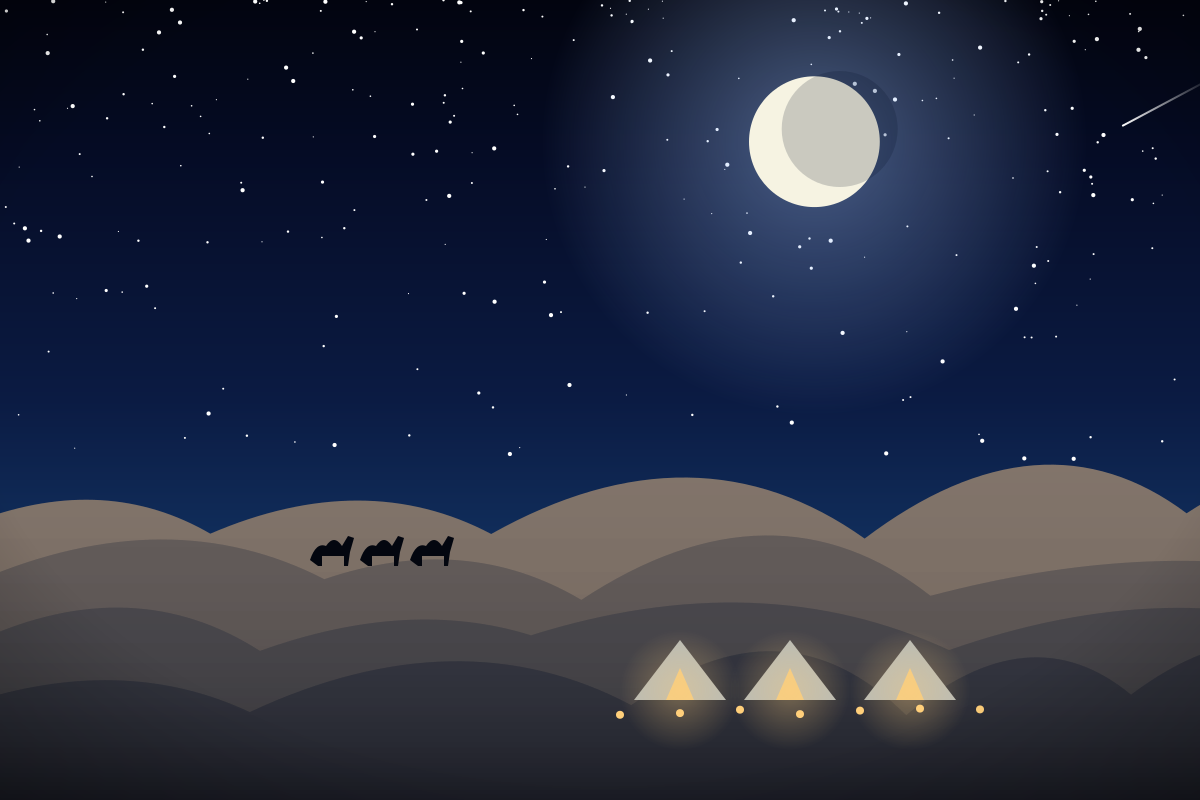
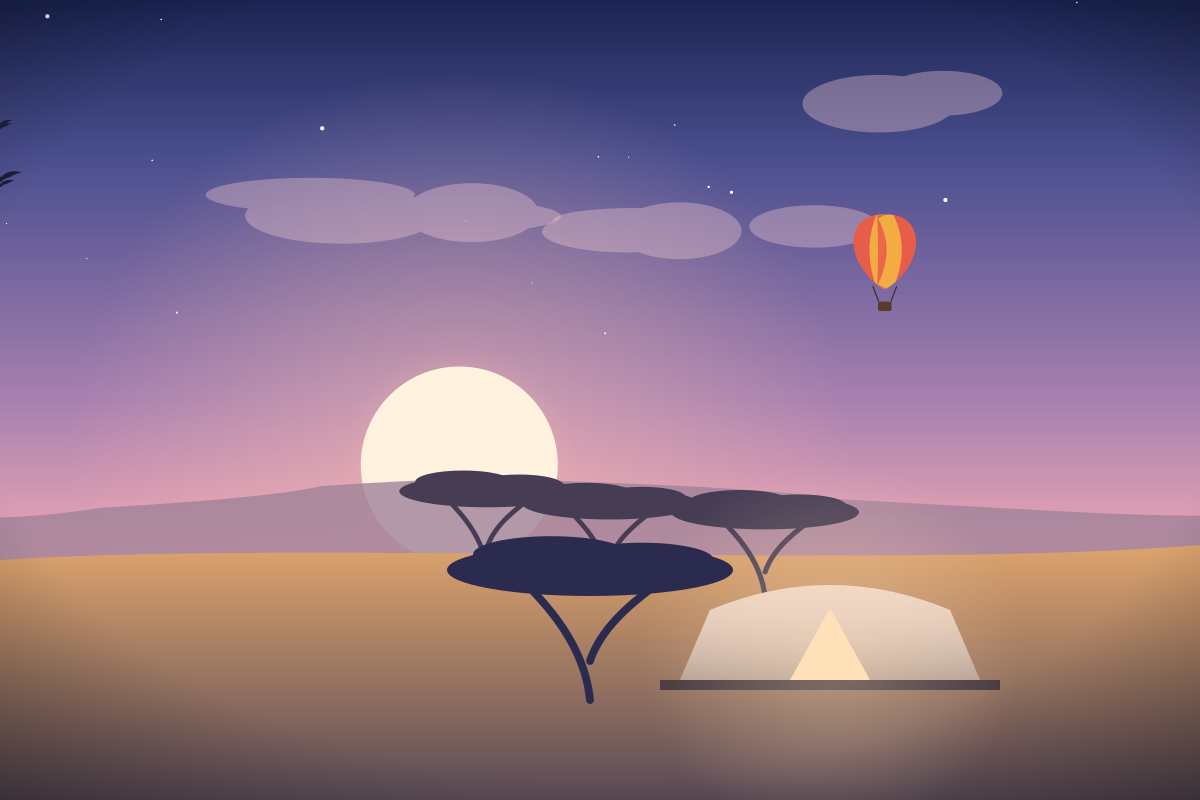
Sossusvlei's romance is in its silence and skies. Book a dawn balloon flight over the dunes, which usually ends with a Champagne breakfast in the desert. Ask your lodge for a sundowner drive to a ridge, a private dinner on the sand or a night on a star bed. The nearby NamibRand Nature Reserve was among the first places recognized as an International Dark Sky Reserve, so on a clear night the Milky Way is startlingly bright.
Etosha's romance is quieter. Spend an evening at the floodlit waterhole with a blanket and a flask, watching rhinos and elephants emerge from the dark. Self-drive along the pan's southern edge with a picnic. In a private reserve, join a guided night drive or track rhino on foot. Ask for a sundowner on the edge of the pan, or a bush dinner around a fire on your last night.
Both deliver evenings you will remember. Sossusvlei leans dreamy; Etosha leans thrilling.
Driving and Flying
Both start at Windhoek's Hosea Kutako International Airport (WDH), reached from the US via Johannesburg, Cape Town, Frankfurt or Addis Ababa.
Sossusvlei is about five to six hours by road on paved and gravel roads, often with a stop at Solitaire for its bakery. Inside the park, a paved road runs about 40 miles toward the dunes; the last stretch to Deadvlei is deep sand needing a 4x4 or the shuttle.
Etosha's southern gate is about five hours from Windhoek, mostly on paved highway. Inside, roads are well-maintained gravel, speed limits are low and you must stay in your car except at designated areas.
If you prefer not to drive, FlyNamibia Safari and charter flights reach lodge airstrips near both. Driving between Sossusvlei and Etosha takes a long day or more, so most couples stop at Swakopmund or Damaraland on the way.
Weather and Timing
Sossusvlei is a year-round destination. May to September is the sweet spot, with crisp mornings for dune climbs, warm afternoons and very clear skies. June and July nights can fall close to freezing. From October the heat builds. December to February can push afternoons well above 100°F, limiting you to early and late outings.
Etosha's best time is the dry season, roughly June to October, when water dries up away from the waterholes and animals concentrate where you can see them. September and October are the peak of the action but also the hottest. The rains from about December to March turn the park green, with newborn animals and great birdlife, but game disperses.
For a combined trip, June to September works beautifully for both. Malaria risk at Etosha rises in the rainy season, so check with a travel clinic. If you're pregnant or hoping to be soon, check CDC travel health notices for Namibia.
Planning Both on One Trip
A classic ten-day route runs Windhoek, Sossusvlei, Swakopmund, Damaraland, Etosha and back to Windhoek. Two nights at Sossusvlei gives you one sunrise for the dunes and another for a balloon flight or a lazy start. Two or three nights at Etosha lets you explore both the southern and eastern sides of the pan.
Consider splitting Etosha between a rest camp inside the park and a private lodge outside for night drives. At Sossusvlei, staying inside the gate or in a private reserve matters more than lodge size, since early access is everything.
On the road, keep speeds below about 50 mph on gravel, avoid driving after dark and carry plenty of water. Cell coverage is patchy, so download maps. If the long drives feel like too much, a small-plane safari between the two cuts travel time dramatically and adds aerial views of the desert.