Ice Sheet Wilderness or Volcanic Road Trip
Greenland's scale is hard to grasp until you see it. At Ilulissat, the icefjord is fed by Sermeq Kujalleq, one of the fastest moving glaciers in the world. The bergs crack and roll while you watch from the rocks. Towns are colorful wooden houses on bare rock, with sled dogs outside and fishing boats in the harbor. Hikes start at the edge of town. Within twenty minutes you are alone with lichen, ravens and ice.
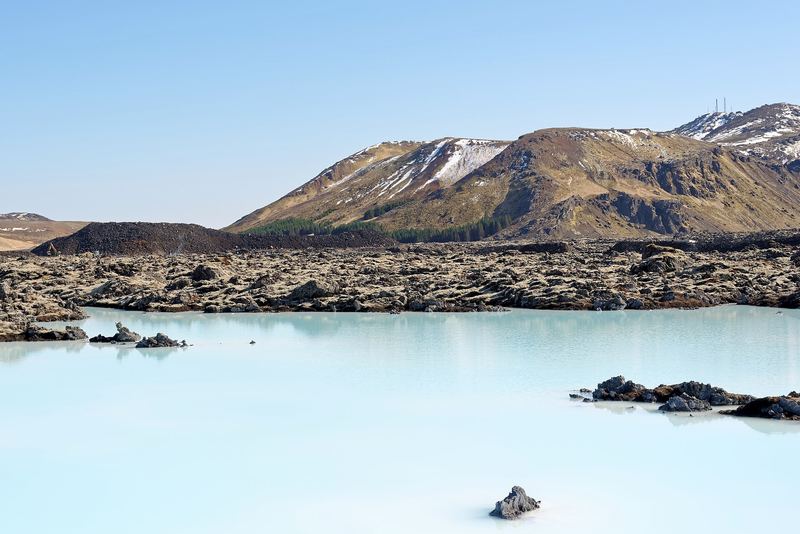
Iceland is wild too, but more accessible. The Golden Circle links Þingvellir, Geysir and Gullfoss. The South Coast adds Seljalandsfoss, Skógafoss and black-sand beaches near Vík. The Reykjanes Peninsula is a geopark of lava fields and steaming vents. Snæfellsnes and the north offer quieter versions of the same drama.
Greenland gives you one overwhelming landscape of ice. Iceland gives you many landscapes in a short drive. Both are about weather and light rather than warmth.
Flights and Getting Around
Iceland is easy. Nonstop flights from the East Coast reach Keflavík in five to six hours. Roads are good. The southwest sights are manageable even on a short trip. Rent a car, checking road conditions daily, or book a driver and tours.
Greenland takes more work. United has run a seasonal summer nonstop from Newark to Nuuk, roughly four and a half hours, though only a couple of days a week, so check the current schedule. The rest of the year you connect through Copenhagen on Air Greenland or through Reykjavík on Icelandair, which flies to Nuuk and seasonally to Ilulissat. Inside the country there are no roads between towns. You fly on small planes and helicopters or take coastal boats in summer.
Weather causes frequent delays in Greenland. Never book a tight same-day connection to an international flight. Keep the day before you fly home loose.
When to Go
Greenland has two good seasons. From mid June through August, daytime highs on the west coast sit around 50 to 55°F, boats run daily and the midnight sun lasts for weeks north of the Arctic Circle. Mosquitoes can be fierce in July, so pack head nets for inland walks. March to early May brings dog sledding, snowmobiles, crisp days well below freezing and northern lights near Kangerlussuaq and Ilulissat. September is a fine shoulder month. November through January is very dark and many tours stop.
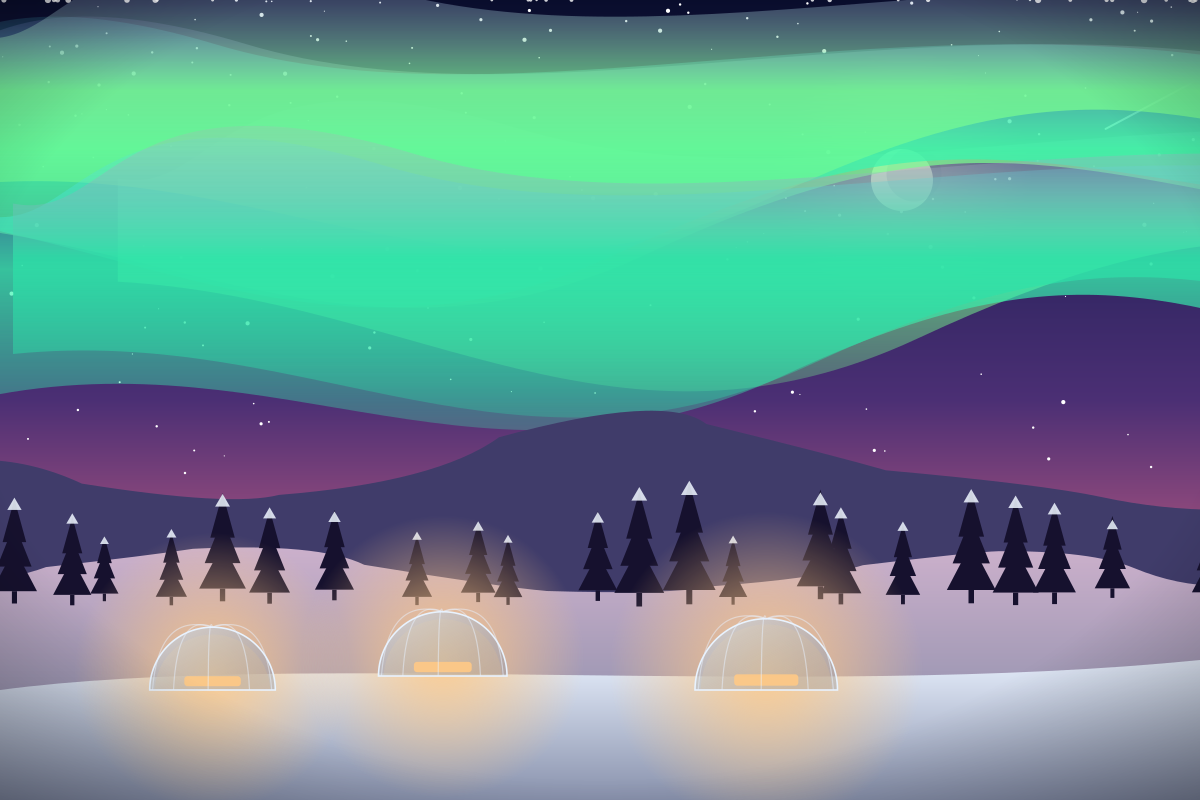
Iceland works in more months. Summer brings near 24-hour daylight and the easiest driving, with the biggest crowds. Winter, November to March, is aurora season with snowy landscapes and lagoons at their best, though December daylight lasts only four or five hours. April to May and September to October offer lower rates and a mix of light and dark.
For icebergs and whales, go to Greenland in summer. For aurora with comfort, Iceland's winter is hard to beat.
The Hotels
Iceland has a deep, varied hotel scene. The Retreat at Blue Lagoon is a suite hotel with a private lagoon, a subterranean spa and the restaurant Moss. The ION Adventure Hotel near Þingvellir has a bar built for aurora watching. Hótel Búðir on Snæfellsnes and the glacier lagoon hotels at Jökulsárlón start around $300 a night (approximate). Eleven Deplar Farm in North Iceland sits at the very top, from roughly $4,200 a night (approximate).
Greenland's stays are small and comfortable rather than grand. Ilulissat has the best range. The rooms that face the icefjord are the ones to book, since watching the bergs from bed is half the point. Nuuk has solid city hotels near the harbor and the best dining in the country. In the tiny settlement of Ilimanaq, across the bay from Ilulissat, lodge cabins make a special night if you can get space. Good rooms in Nuuk and Ilulissat often run $250 to $450 a night in summer (approximate).
Iceland offers spa-level luxury. Greenland offers views no hotel elsewhere can match.
What It Costs
Both are expensive, but Greenland is the bigger stretch. All figures are approximate.
In Greenland, domestic flights can add several hundred dollars per person per leg. Guided boat trips commonly fall between $100 and $300 per person, while a full-day glacier excursion or helicopter flight costs far more. Dinner for two with wine can easily pass $150. Groceries are pricey because nearly everything arrives by ship. A comfortable ten-day trip for two, flights included, often lands between $12,000 and $20,000. Packages from Danish and Icelandic operators can save real money.
In Iceland, luxury hotels run well into four figures a night, while countryside hotels cost less, especially outside summer. A nice dinner with wine often runs $150 or more. Rental cars, fuel and tours add up. Supermarket picnics and duty-free wine bought at the airport help.
Iceland gives you more choice at every level. Greenland has fewer ways to save.
How You Will Spend the Days
In Greenland, the boat is everything in summer. Take a midnight cruise among the icebergs in Disko Bay. Spend a day at the Eqi glacier watching it calve. Walk the boardwalk to Sermermiut for evening light over the icefjord. In Nuuk, visit the National Museum to see the Qilakitsoq mummies and cruise the fjord toward the inland ice. Whales feed off the west coast through late summer. In late winter, swap boats for dog sledding and an aurora night.
In Iceland, the days mix adventure with soaking. Snorkel between continents at Silfra. Hike a glacier with a certified guide. Drive the South Coast waterfalls. Fly to Akureyri for Lake Mývatn's craters and nature baths, then take a whale trip from Húsavík. Finish every day in hot water.
Greenland's highlights are fewer but bigger. Iceland's are many and close together.
Respect and Readiness
About nine in ten Greenlanders are Inuit and call themselves Kalaallit. Avoid the word Eskimo, which is considered offensive. Treat Greenland as its own country rather than a corner of Denmark. Hunting is central to life, so you may see seal, whale or musk ox on menus. You do not have to eat it, but skip the lectures. Ask before photographing people and keep clear of chained sled dogs. Many locals have strong feelings about US statements on the island's future, so listen more than you talk.
In Iceland, the main rule is bathing etiquette: shower without a swimsuit before entering any pool or lagoon. Stay back from the surf at Reynisfjara. Never drive off-road. The Reykjanes Peninsula is volcanically active and eruptions have periodically closed the Blue Lagoon, so plan with flexibility.
For both, bring wool layers, a waterproof shell and good boots, plus travel insurance that covers delays.
Combining the Two
Iceland makes a natural gateway to Greenland. Icelandair connects Reykjavík with Nuuk year-round and with Ilulissat in season, so you can link them without going through Copenhagen.
A two-week summer honeymoon might look like this. Fly nonstop to Keflavík and spend your first night at The Retreat at Blue Lagoon. Spend five nights on the Golden Circle and South Coast. Then fly to Greenland for seven or eight nights, perhaps two in Nuuk and five or six in Ilulissat with a boat day to the Eqi glacier. Fly home via Reykjavík or, on the right days, through Newark.
Put Greenland in the middle or second half and leave buffer days around its flights. If your honeymoon is shorter than ten days, choose one. Iceland is the safer first Arctic trip. Greenland rewards couples with time and flexibility.