Why Uzbekistan for a Honeymoon
Few places let you walk through so much grand architecture in such a compact area. Samarkand's Registan, three madrasas facing a single square, ranks with the great public spaces of the world. Bukhara's old center is a maze of mosques, trading domes and ponds shaded by mulberry trees. Khiva is a complete walled town that feels like a film set at dusk.
The experience also feels fresh. Uzbekistan opened up to tourism only recently compared with much of Asia. Americans are still a novelty in many places. People stop to chat, ask where you are from and sometimes invite you for tea.
The food is hearty and generous. Bread is sacred, fruit is superb in season and dinners often involve long tables and many toasts. For couples who like learning as they travel, it is a rich, rewarding trip.
Best Time to Visit
April, May, September and October are the best months. Spring brings mild days in the 70s Fahrenheit, blossoming orchards and green hills around Samarkand. Autumn brings harvest season, with melons, grapes and pomegranates heaped in the bazaars.
June through August is very hot. Samarkand regularly reaches the low to mid 90s, while Bukhara and Khiva in the desert often climb near or above 100. Sightseeing becomes an early morning and evening affair, with long midday breaks.
Winter is cold, with frosty nights and occasional snow. The monuments are almost empty then and prices drop, which suits couples who do not mind bundling up. Some smaller guesthouses close or reduce services.
March and November are shoulder months with changeable weather. Navruz, the Persian New Year around March 21, brings festivities and special dishes like sumalak.
Where to Go
Samarkand is the headline act. Our Samarkand guide covers the Registan, the Shah-i-Zinda necropolis of tiled tombs, Timur's mausoleum and the best ways to see them without crowds.
Bukhara is the most atmospheric city to stay in. Our Bukhara guide explains how to spend slow days around the Lyabi-Hauz pond, the Kalyan Minaret and the old trading domes.
Khiva is the walled desert town in the far west. Our Khiva guide covers the Itchan Kala old city, its minarets and day trips to the crumbling fortresses of ancient Khorezm.
Tashkent, the capital, is a modern Soviet-planned city with ornate metro stations, a big bazaar and good restaurants. Most couples spend a night there on arrival. The Fergana Valley in the east is known for silk weaving and ceramics. Yurt camps near Aydarkul Lake offer a night under the stars between Samarkand and Bukhara.
Sample 10-Day Itinerary
- Day 1: Arrive in Tashkent. Rest, then walk through Amir Timur Square and ride the metro to see its decorated stations.
- Days 2 to 4: High-speed train to Samarkand. See the Registan at sunrise and sunset, wander Shah-i-Zinda and visit the Siab Bazaar. Take a day trip to Shahrisabz, Timur's hometown, or a paper mill in Konigil.
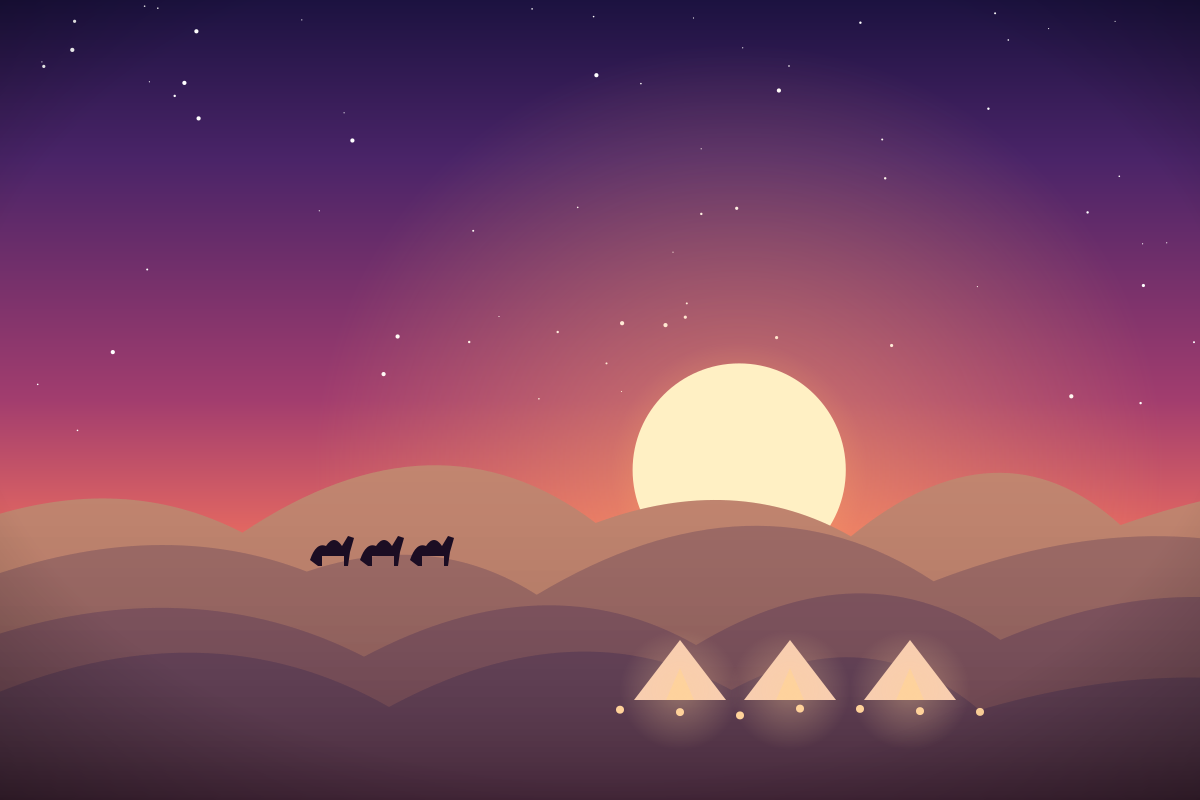
- Day 5: Overnight at a yurt camp near Aydarkul Lake, with camel rides and a campfire.
- Days 6 to 8: Bukhara. Explore the old town at a slow pace, have a hammam and dine on a rooftop terrace.
- Days 9 and 10: Khiva by train. Climb the Islam Khodja minaret at sunset and spend a morning at the desert fortresses before flying home from Urgench via Tashkent.
If you have less time, skip Khiva and add an extra night in Samarkand.
Budget and Costs
These are approximate ranges. The som moves against the dollar, so check current rates.
Uzbekistan is one of the better-value trips in Asia. Good boutique guesthouses in historic buildings often cost about $60 to $150 a night, while the newer upscale hotels in Samarkand and Tashkent may run $150 to $300.
Meals are inexpensive. A hearty lunch of plov, salad and tea for two may be $10 to $20. A nice dinner with wine on a terrace might be $40 to $70.
The Afrosiyob high-speed train is affordable by US standards. Domestic flights between Tashkent and Urgench are reasonably priced. Private drivers and guides cost more but are still modest.
Tickets for major monuments are small individually but add up across a trip. Budget extra if you want a guide in each city.
Getting There and Around
There are usually no year-round nonstop flights from the US. Uzbekistan Airways has flown between New York JFK and Tashkent in recent years, sometimes with a stop, so check whether it is operating. Otherwise, connect through Istanbul on Turkish Airlines, through Dubai or Doha, or through a European hub. Some carriers also fly direct to Samarkand or Bukhara from Istanbul.
Inside the country, trains are the best way to travel. The high-speed Afrosiyob links Tashkent to Samarkand in about two hours and continues to Bukhara. Slower trains reach Khiva. Book through Uzbekistan Railways' website or a local agent; seats sell out quickly.
Domestic flights from Tashkent to Urgench save a long journey to Khiva. For day trips, hire a driver through your hotel. Ride-hailing apps such as Yandex Go work in the larger cities and make taxis easy.
Culture and Etiquette
Uzbekistan is a majority Muslim country with a secular government and a relaxed attitude. Dress modestly at religious sites, with shoulders and knees covered. Women may want a light scarf for active mosques. Many famous madrasas are now museums or craft markets, but mosques still in use expect respectful behavior.
Bread, called non, is treated with great respect. Never place it upside down or throw it away casually. Tear it by hand to share.
Hospitality is central. If someone offers tea, accept a cup. Hosts pour only a little at a time as a sign of attention and keep refilling it.
Tipping is appreciated but not expected; 5 to 10 percent in restaurants is generous. Bargaining is normal in bazaars. Public affection is best kept low key. For women, the main cities and old towns feel safe to walk in the evening, with curious looks more common than hassle. Photography of police, military sites and metro security staff can cause problems, so ask first.
Quick tips
- Book Afrosiyob high-speed train seats as soon as sales open; they sell out weeks ahead in spring and fall.
- Install the Yandex Go app before you arrive; it makes taxis easy and fixes the fare up front.
- Pack a light scarf and clothes covering shoulders and knees for mosques and madrasas.