Peaks Versus Jungle
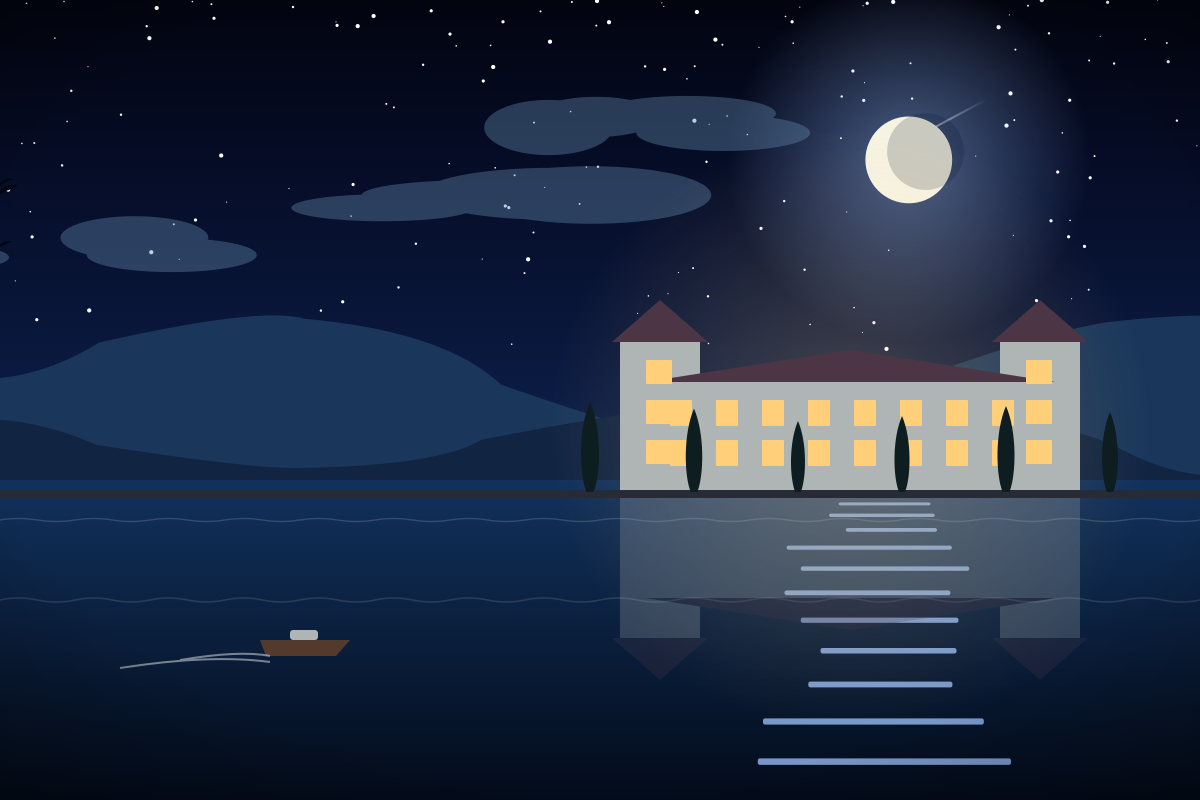
Pokhara's scenery is vertical and huge. On clear mornings, Annapurna South, Machhapuchhre and the Annapurna massif line the horizon above Phewa Lake, visible right from Lakeside's rooftops. Drive up to Sarangkot before dawn and you watch the peaks turn from gray to pink to white. The lake itself is calm and the town is easy, with cleaner air than Kathmandu and mild evenings most of the year.
Chitwan's scenery is close and green. Grassland, sal forest and slow rivers make up the park, with mist rising off the Rapti River at dawn and kingfishers flashing past. It feels wild and enclosed rather than grand. Days are warm to hot. The light turns orange over the water at sunset.
The question is what picture you want to bring home. If it is snow peaks reflected in a lake, choose Pokhara. If it is a rhino wading through river grass a few yards from your jeep, choose Chitwan.
Adventure on Offer
Pokhara is Nepal's easiest place to mix adventure with lazing. Many couples take off from Sarangkot on a tandem paraglider after sunrise, circling for 20 to 30 minutes before landing near the lake. Ultralight flights, kayaking and zip lines are available too. Book paragliding with an established company your hotel recommends and check that your insurance covers it. For a taste of trekking, walk two or three days through villages and rhododendron forest to ridge lodges facing the snow, with no camping gear or serious altitude. Most couples hire a licensed guide.
Chitwan's adventures are about wildlife. A half-day jeep safari crosses grassland and forest where rhinos, deer and wild boar are common. A guided walking safari, which park rules require to have two trained guides, puts you on foot at eye level with the animals. It is thrilling and humbling. Skip elephant rides, which many conservation groups discourage.
Pokhara gets your heart racing in the air. Chitwan does it on the ground.
Romantic Moments
Pokhara has more of the classic honeymoon moments. Rent a wooden rowboat and paddle to Tal Barahi, the small pagoda temple on an island in Phewa Lake, in the late afternoon when the water calms. Walk up through forest to the World Peace Pagoda for sunset and take a boat back across the lake. Spend a quiet afternoon at Begnas Lake, which sees far fewer visitors. End with a couples massage and dinner on the lakeshore.
Chitwan's romance is quieter and wilder. Glide down the Rapti in a dugout canoe at dawn as mist lifts and mugger crocodiles and gharials sun themselves on the banks. In the evening, lodges set up drinks by the river or around a fire, which is the jungle's version of a candlelit dinner. Visit a Tharu village to watch the stick dance and learn about the Indigenous people who have lived here for centuries.
Both reward early risers. Pokhara rewards you with mountains, Chitwan with animals.
Where You Will Stay
Pokhara's Lakeside is convenient for evening strolls but has grown busy and commercial, so many couples look just beyond town. Fishtail Lodge sits on a small peninsula reached by its own boat across a narrow channel. Tiger Mountain Pokhara Lodge, on a ridge about 30 minutes east, has stone cottages with balconies facing the Annapurnas and a pool, from around $280 a night. The Pavilions Himalayas is an eco-resort with villas among rice fields. On a trek, ridge lodges are basic, but the sunrise views make up for it.
Chitwan's lodges all sit in the buffer zone around the park, since hotels are no longer allowed inside. Sauraha, on the northern edge, is the main village, with hotels at every price and walking access to the river. The quieter western side near Meghauli is more upscale. Meghauli Serai, run by Taj, overlooks the Rapti with a pool facing the park. Barahi Jungle Lodge has private villas. Western lodges usually sell packages that include meals, activities and park fees. All prices are approximate.
Best Months for Each
Pokhara's prime months are October and November, when the monsoon has cleared the haze and the peaks stand out sharply most mornings. December to February is underrated, with mild sunny days and crisp views, though nights are cold. March and April bring rhododendrons and good paragliding thermals, with haze building as spring goes on. From June to September, Pokhara is one of the wettest places in Nepal, with peaks hidden for days.
Chitwan is best for wildlife from February to April. Locals cut the tall grass in late winter, opening sight lines. Animals also gather near water. April gets very hot, approaching 100°F. October and November are pleasant, though tall grass makes spotting harder. December and January bring thick morning fog that burns off by late morning. The monsoon, from mid-June to late September, floods trails and some lodges close.
February through April suits both well. Chitwan has mosquitoes and ticks, so use strong repellent. If you're pregnant or hoping to be soon, check CDC travel health notices for Nepal.
Getting There From Kathmandu
From the US, you fly into Kathmandu's Tribhuvan International Airport (KTM), usually connecting through the Gulf, Delhi or another Asian hub.
Pokhara International Airport (PHH) has frequent domestic flights from Kathmandu on Buddha Air and Yeti Airlines, well under an hour. Lakeside is about 20 minutes from the airport. Morning flights are the safest bet, since afternoon weather sometimes causes cancellations. On a clear day, sit on the right side heading west for mountain views. By road, the drive is roughly 125 miles but takes six to eight hours on a winding highway.
Chitwan's Bharatpur Airport (BHR) is about 25 minutes by air from Kathmandu, then about 30 minutes by car to Sauraha and a bit longer to the western lodges, which usually include transfers. By road, Chitwan is five to seven hours from Kathmandu. Inside the park, you always go with licensed guides by jeep, canoe or on foot. Everyone must leave by sunset.
The Kathmandu, Chitwan and Pokhara Loop
The classic Nepal honeymoon visits all three without backtracking. Start with two or three nights in Kathmandu for the temples and squares. Fly to Bharatpur for two or three nights in Chitwan, then drive five to six hours to Pokhara with a private car. Spend three to five nights there and fly back to Kathmandu for your international flight.
This order works because it ends with rest. After the early safari mornings, Pokhara's lake days, massages and slow sunrises feel like an earned reward. Add a two- or three-day ridge trek if you have the time. If you prefer, stop in the hill town of Bandipur on the drive.
If you only have time for one, Pokhara is the safer choice for most couples, because it offers views, adventure and comfort in one place. Chitwan alone is best for wildlife lovers. Plan at least two nights there, since one night is too rushed for the dawn activities that make it worthwhile. Wear muted colors on safari.