Two Northern Italian Moods
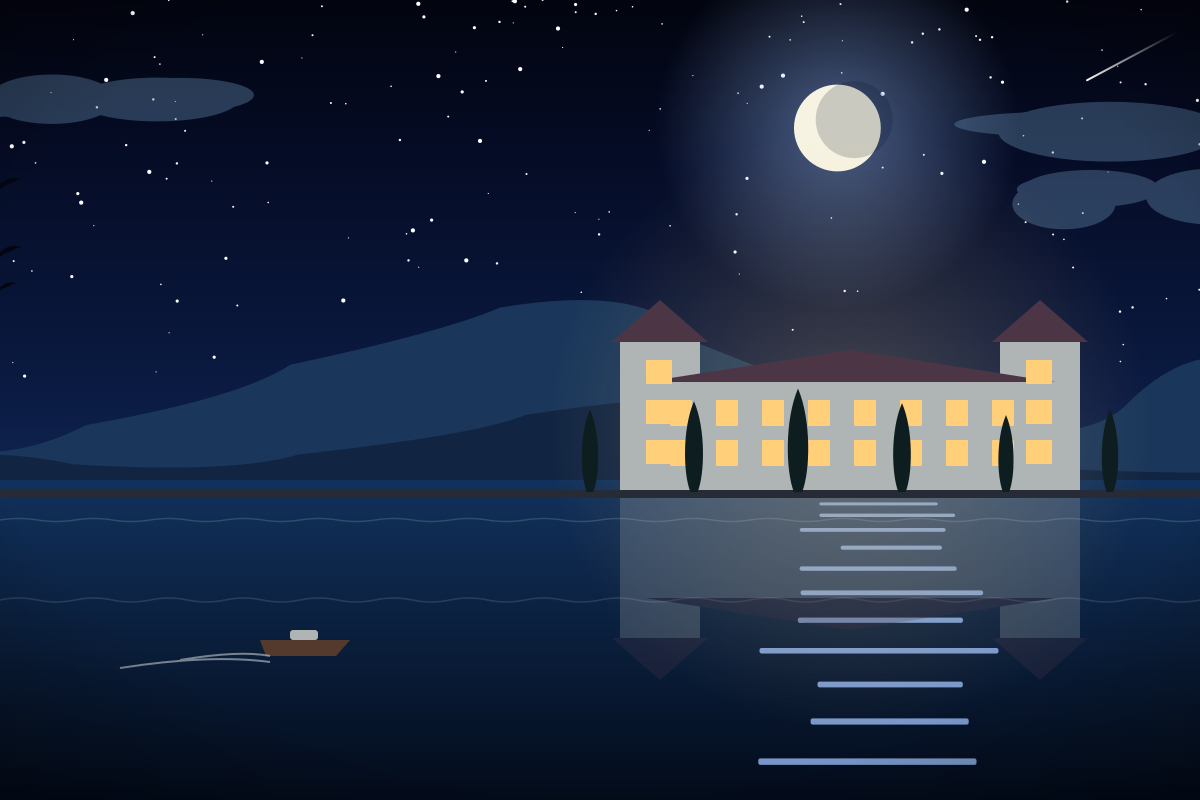
Lake Garda feels Mediterranean despite sitting near the Alps. Days drift between a ferry ride to a village lunch, an afternoon by a pool or on a pebble beach and dinner at a waterfront restaurant. Each shore has a personality. The west is elegant and quiet, with grand villas and gardens. The east has medieval castles, vineyards and walkable villages like Malcesine and Bardolino. The north, around Riva del Garda, belongs to windsurfers and climbers.
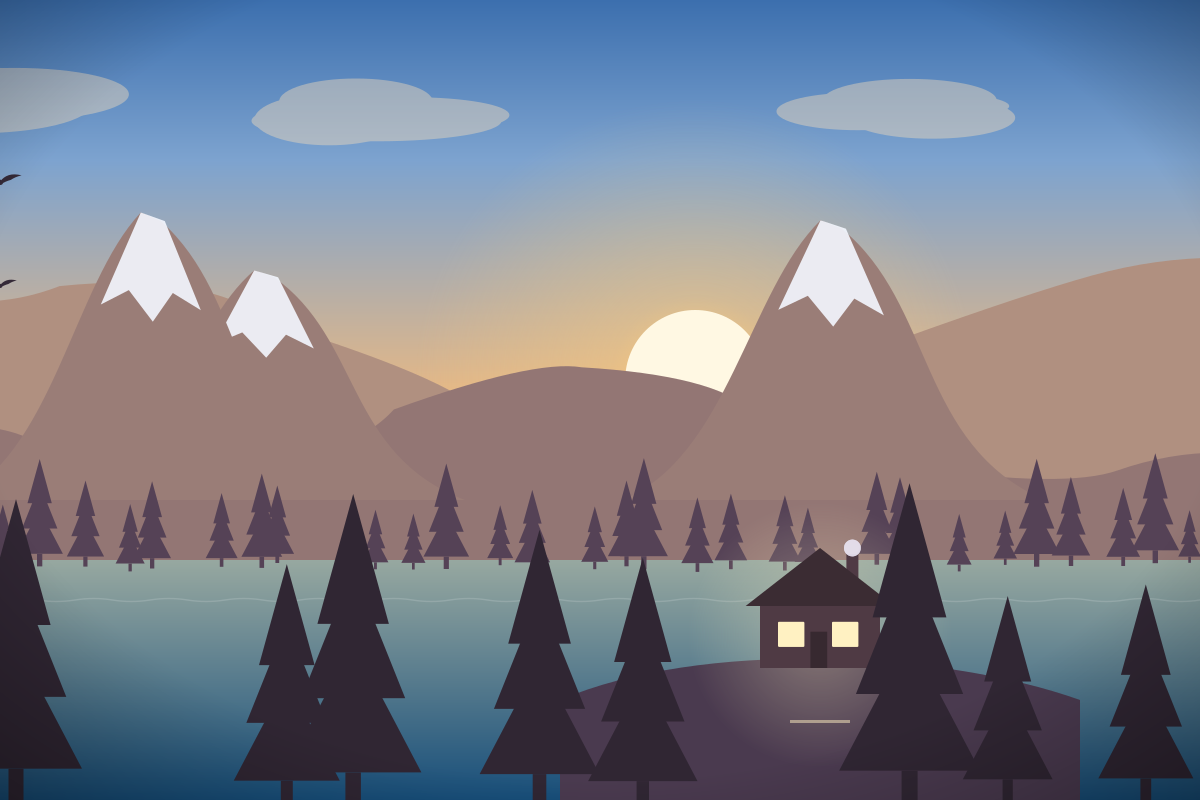
The Dolomites feel like a different country. In South Tyrol they partly are. Menus list dumplings next to pasta. Wooden hay barns dot the high meadows. The rhythm is early starts on the first lift, a ridge walk, a long lunch at a rifugio terrace, then back to the hotel for a sauna and a five-course dinner. The scenery is jagged and constantly changing with the light.
Couples who want to switch off will be happiest at the lake. Couples who recharge by moving will be happiest in the mountains.
Seasons Decide a Lot
Lake Garda's season runs from spring to autumn. May, June and September are best, with warm swimming water by June and lively villages without July's crowds. Late April brings flowering gardens. July and August are busy with European families and slow traffic. Many hotels, ferries and restaurants close or cut hours from November to March.
The Dolomites have two seasons with gaps between. Summer runs from mid-June to late September, when lifts and huts are open. Early to mid-September is often best, with settled weather and golden larches. Winter runs from early December to around Easter for skiing. From roughly mid-April to early June and from October to November, many lifts and hotels close and the villages feel shut.
So timing matters. A May or October honeymoon points to Garda. A December to March honeymoon points to the Dolomites. June and September work beautifully for both, which is why combining them is so popular.
Where Couples Stay
Lake Garda's best honeymoon hotels sit on the western shore. Grand Hotel Fasano in Gardone Riviera is a former imperial hunting lodge right on the water, with a lakeside pool, a jetty and a Michelin-starred restaurant, from roughly $500 a night in shoulder season. Lefay Resort and Spa in Gargnano is a contemporary wellness resort in the hills. Villa Feltrinelli is a lavish historic villa with only a handful of rooms. Sirmione suits spa lovers. The eastern villages suit couples who like to walk to dinner.
The Dolomites specialize in wellness hotels with spas built for two, often on half-board rates that include dinner. Forestis, on a sunny slope of the Plose above Brixen, is a design-led retreat of wood and stone with suites up to 200 square meters, from roughly $1,100 a night. Val Gardena, Alta Badia and Cortina d'Ampezzo each have long-running spa hotels. The best fill months ahead for summer and Christmas.
All prices are approximate. Garda generally offers better value. The Dolomites include more in the rate.
Active Days or Lazy Ones
Garda can be as lazy or active as you like. Soak in thermal pools at Aquaria in Sirmione, fed by warm sulfur springs. Ride the rotating cable car from Malcesine up Monte Baldo for ridge paths with Alpine views. Hop ferries between villages with a day pass. Visit the Vittoriale in Gardone Riviera, the poet D'Annunzio's eccentric estate with a warship set into the hillside. Drive the twisting Strada della Forra above the western shore.
The Dolomites invite you upward. Take the cable car to the Alpe di Siusi, Europe's largest high alpine meadow. Ride the first lift to the Seceda ridge before the crowds. Row across the green water of Lago di Braies early in the morning. Walk the loop around the Tre Cime di Lavaredo. In winter, ski the Sella Ronda circuit through four valleys in a day, or take a sleigh ride to a hut for dinner.
No one needs to be a mountaineer. Lifts do the hard climbing. Huts serve wine on sunny terraces.
Getting There and Around
For Lake Garda, Verona (VRN) is closest, about 30 to 45 minutes from the southern shore. Milan and Venice airports, both with nonstop flights from several US cities, are each about one and a half to two hours away. High-speed trains on the Milan to Venice line stop at Desenzano and Peschiera.
For the Dolomites, Venice Marco Polo (VCE) is the most practical, about two and a half hours by car to Cortina or Alta Badia. Some US nonstops to Venice are seasonal. Verona and Innsbruck are alternatives.
A rental car helps in both. Garda's shoreline roads are slow in summer traffic, so use ferries for day trips and avoid the full lake loop on weekends. Dolomite passes are well engineered but twisty. Some places such as Lago di Braies limit car access or require parking reservations in summer. In winter, make sure your rental has snow tires or chains. Without a car, the Dolomite valleys are linked by buses, often free with a hotel guest pass.
Food, Wine and Comfort
Garda eats like the lake it is. Order lake trout, whitefish or perch risotto. Garda olive oil has its own protected designation and tastes light and fruity. The south shore makes Lugana, a fresh white that suits fish. Bardolino makes a light red and a pink Chiaretto for summer terraces. Valpolicella and Amarone come from the hills near Verona, where risotto all'Amarone is a classic.
Dolomite food blends Austria and Italy. Canederli dumplings, half-moon schlutzkrapfen pasta, juniper-scented speck and Kaiserschmarrn pancakes fill hut menus. Alta Badia has a cluster of Michelin-starred restaurants. South Tyrol's whites, Gewürztraminer, Pinot Bianco and Sauvignon, are excellent. Lagrein is the local red.
Comfort notes differ too. At Garda, pack water shoes for pebble beaches and insect repellent for summer evenings. In the Dolomites, pack layers, since mornings at altitude can be near freezing even in July. Some lifts top out above 2,500 meters, so take the first high day gently. Spas there often follow the central European custom of textile-free saunas, so read the rules first.
Lake Then Mountains
These two combine naturally. From the north end of Lake Garda, the drive to Val Gardena or Brixen takes about two hours via Trento and Bolzano. A strong plan for a June or September honeymoon is three or four nights on Lake Garda, with an evening at the Verona Arena, then three or four in a Dolomites spa hotel.
Starting at the lake lets you ease in with sun and swims. Ending in the mountains brings cooler air, big views and a spa to finish. Fly into Verona and out of Venice, or the reverse, to avoid backtracking. Venice itself makes a lovely final night or two.
If you go to the opera in Verona, book tickets early and choose cushioned seats, since the stone steps get hard over a long performance. Bring a light layer for after dark.